
By John Syroney
The Cleveland Civil War Roundtable
Copyright © 2026, All Rights Reserved
The Roundtable’s annual field trip in 2026 was to the Shenandoah Valley to explore the 1862 Valley Campaign. A group of 25 participants took in the majestic sights and the historic sites in the Shenandoah Valley under the masterful guidance of Gary Ecelbarger, who brought the events of the 1862 Valley Campaign to life with his expertly detailed and vividly described explanations of Stonewall Jackson’s brilliant Valley Campaign.
Thursday, September 17, 2026
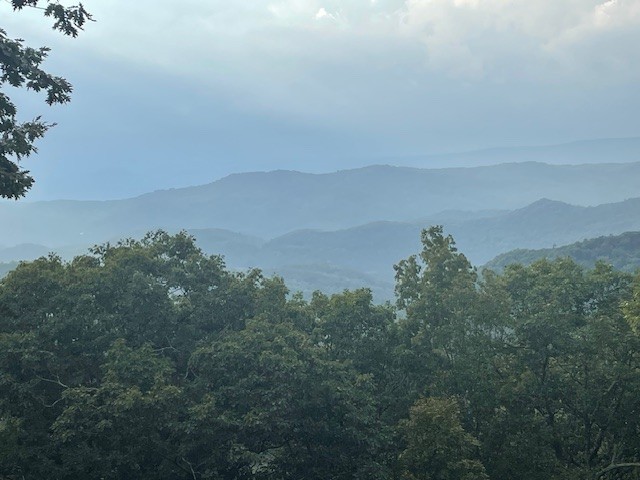
Some of the field trip participants settled into the Home2Suites in Harrisonburg, Virginia, while others embarked on an audacious expedition to McDowell, Virginia, to visit one of the most obscure and hidden battlefields of the Civil War. Past President Bob Pence drove 11 of us who decided to put our fates – and our lives – into his driving expertise. Traveling over the Shenandoah and Allegheny Mountains by way of switchbacks and daunting turns eventually led us to the tiny hamlet of McDowell.
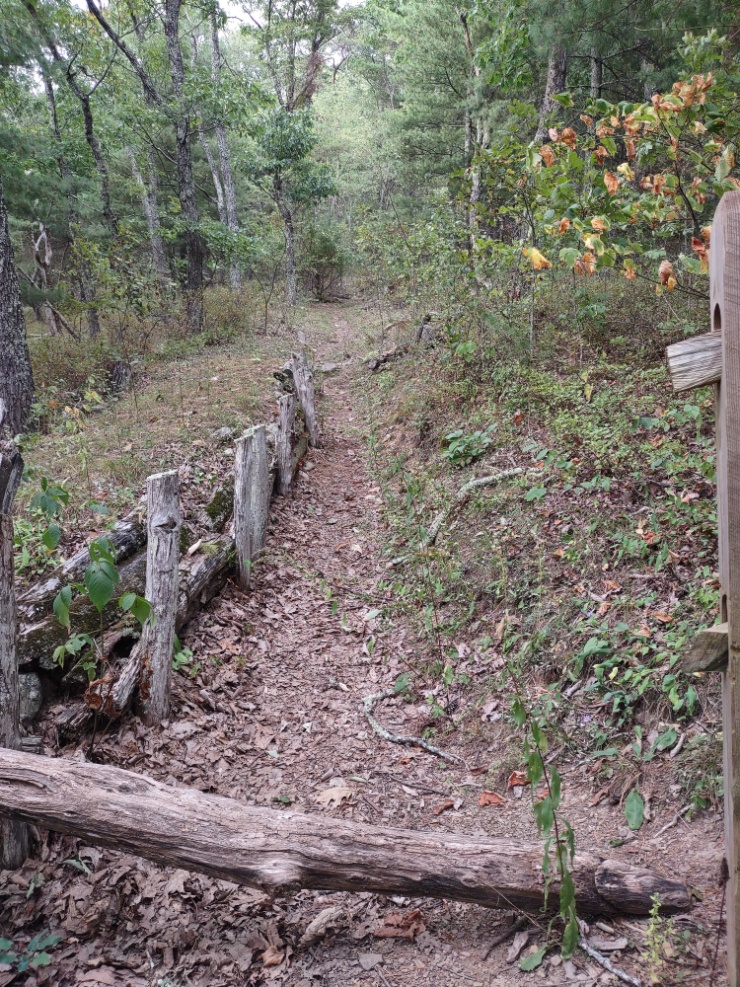
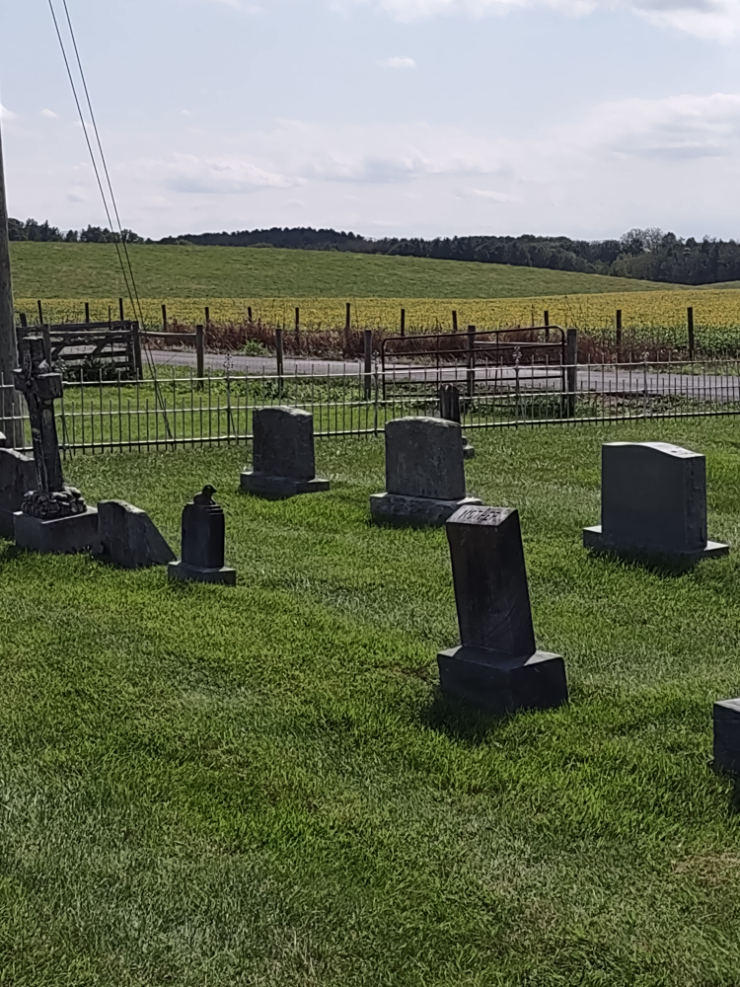
Our small band of brothers spent a few moments visiting Sitlington’s Hill, where most of the fighting between Stonewall Jackson’s troops and Robert Milroy’s forces took place. We also had time to visit a small cemetery and the Presbyterian Church, which served as a field hospital during the battle.
Knowing that we had only 50 minutes to make the drive back to the hotel before the evening presentation by our tour guide, Gary Ecelbarger, the band loaded back into the van for a somewhat less audacious trip to Harrisonburg. We arrived in time to hear Gary provide an overview of the 1862 Valley Campaign, followed by a question-and-answer session that included many interesting and stimulating “what if” questions concerning Jackson and the Gettysburg Campaign.
Friday, September 18, 2026
The morning began with all 25 field trip attendees and Gary loading into two vans for the 66-mile drive to Kernstown. On our way, we were able to link both vans through our phones and listen to Gary’s narration of the events of the 1862 Valley Campaign that ultimately led to the Battle of Kernstown on March 23, 1862.
Upon arriving at the Opequon Church site, Gary showed us an original stone wall that was more than 200 years old, lying right next to an original roadbed from the battle. We then proceeded to Pritchard’s Hill, where the Union Army positioned its artillery defense on the morning of March 23. Gary explained that the artillery battle resulted in the firing of more than 700 rounds by Union cannons. The artillery had its sights set on Colonel Samuel Fulkerson’s 23rd and 37th Virginia Regiments, which had been ordered to cross the area in front of Pritchard’s Hill on their way toward the Confederate-held position on Sandy Ridge.
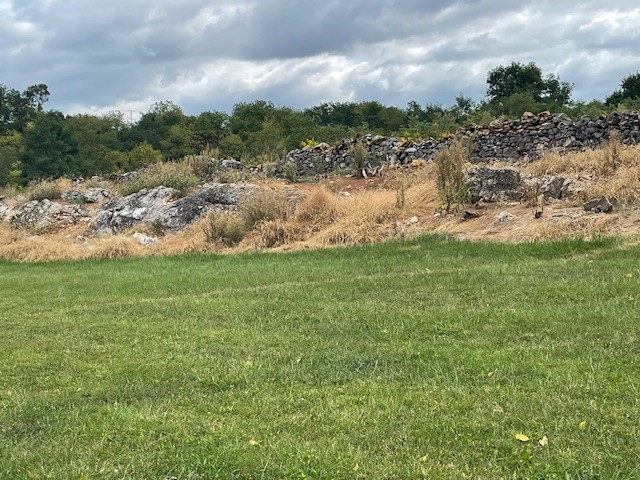
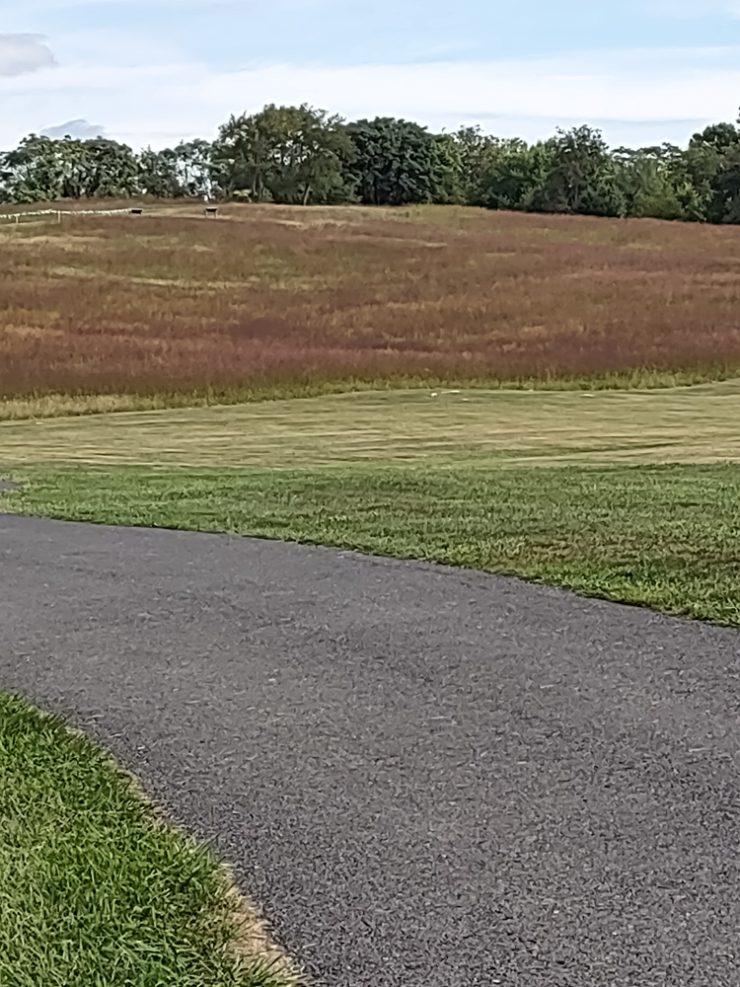
During the advance, more than 80 Confederate troops were killed by the Union bombardment. As Gary explained, men died right in front of where we stood. Pritchard’s Hill would also see future United States Presidents Rutherford B. Hayes and William McKinley deployed during the Second Battle of Kernstown, as Gary noted.
Before leaving Pritchard’s Hill, we were given some time to explore the Kernstown Battlefield Association Museum. Inside is a wonderful mini-museum that includes an old-time electric map depicting both the First and Second Battles of Kernstown, battle memorabilia, cannons, and a fine selection of books available for purchase. Many of us took advantage of the special they were running: one book for $5 or three for $10.
After getting everyone rounded up and back into the vans, we drove to the famous “Stone Wall” on Sandy Ridge. Here we saw the location where the decisive breakthrough was made by Union troops and where Jackson’s Confederate forces suffered their only defeat during the 1862 Valley Campaign.
Colonel Erastus Tyler packed his 2,300 men into double-line columns stacked behind one another for an assault against Confederate Brigadier General Richard Garnett’s Brigade. The 7th Ohio Regiment took the lead of Tyler’s double-line attack and absorbed the full brunt of the ill-advised maneuver. As Gary told us, Tyler instructed his men, “Boys, put on your bayonets. You will need them today.” They certainly needed them. Not only did they need their bayonets, but they also witnessed firsthand what a Confederate rifle could do to a regiment at such close range.
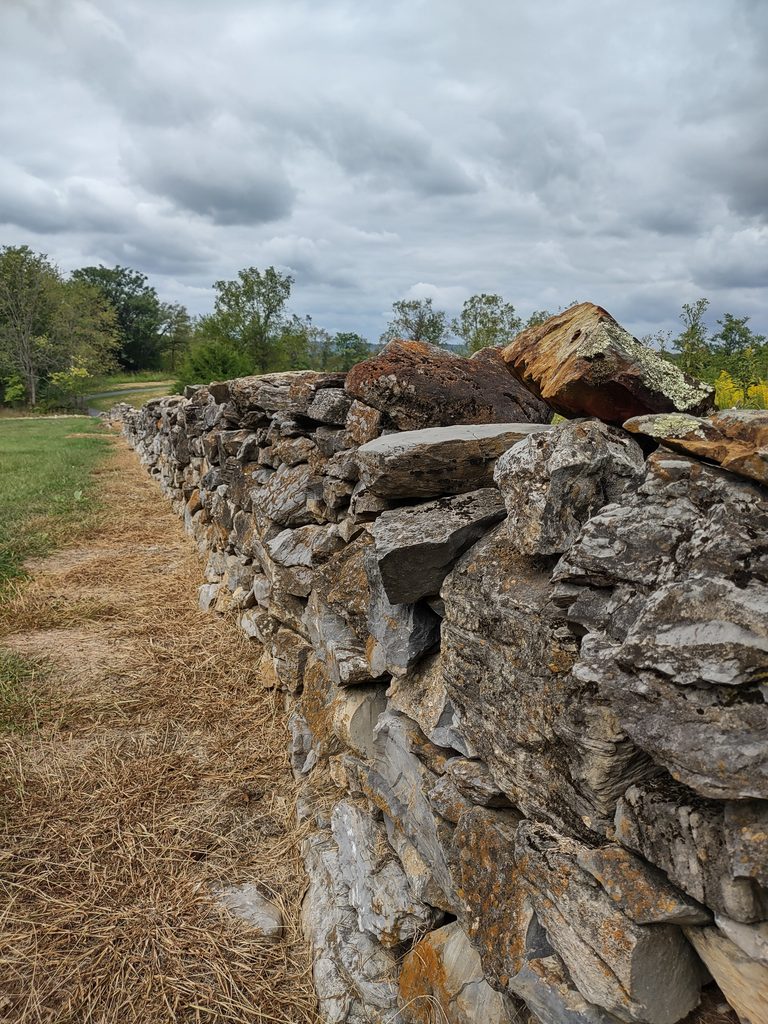
Gary also explained that approximately 4,000 soldiers were firing at one another during the fighting at the Stone Wall. According to Gary, the romantic period of the Civil War came to an end at this wall. Running out of ammunition, Garnett’s Brigade began to disengage from the wall. This gave the Union forces an opportunity to regroup and launch their successful charge over the wall.
After lunch, the group traveled to Front Royal, the site of the May 23rd fight for this strategic hamlet on the Shenandoah River. Gary explained how, over the next two months, General Nathaniel Banks pursued Jackson back toward Harrisonburg and how Jackson retreated into the Luray Valley in order to cross the Blue Ridge Mountains and disguise his true intentions – joining Confederate General Edward “Allegheny” Johnson for the Battle of McDowell. It was during this period that Confederate General Richard Ewell was assigned to Jackson’s forces in the Valley.
Gary also explained the reasoning behind Confederate President Jefferson Davis’ strategy for Jackson: to demonstrate in the Valley and, if practicable, combine with Ewell’s forces to sweep Banks’ army out of the Valley and threaten the Potomac River. The rationale behind this strategy was to distract President Abraham Lincoln from moving Union forces from the Valley to reinforce General George McClellan on the Peninsula and to further reduce potential reinforcements on the Peninsula by keeping additional Union forces in the vicinity of Washington due to potential threats to that city from the Valley.
Gary contends that Lincoln was an astute political president but a terrible commander in chief. He also contends that Davis had the vision to use Jackson’s army to distract the Union from concentrating against Richmond. In Gary’s view, this was not General Robert E. Lee’s thinking, but rather Jefferson Davis’ idea all along.
During this period, Jackson and Ewell slipped through New Market Gap, approximately 21 miles north of Harrisonburg, and began moving down the Valley toward Front Royal. By May 23, Jackson’s army of 16,000 men was located just outside Front Royal. Gary explained how Jackson lost approximately 2,000 men to desertion from May 3 through May 23 and how Jackson did not fully realize the extent of the desertions he was facing.
We stopped just outside Front Royal on the exact road used by Jackson’s army during its movement toward Front Royal, parking at the site of a period church. It was at this stop that Gary informed us about the famous Belle Boyd encounter, during which she passed information to Jackson concerning the size of the Union forces in Front Royal.
Gary then ushered us back into the vans for what he described as the third-most-visited Civil War battlefield site, after the famous Little Round Top and Bloody Lane. We anticipated, with considerable excitement, finally seeing for ourselves in Front Royal this supposedly third-most-visited battlefield site.
Our anticipation was, I can truthfully say, overwhelming.
Finally, we arrived at this highly frequented destination – the parking lot of a fire station in downtown Front Royal. Seeing that the site Gary mentioned is a parking lot made clear to us why this location is so highly visited. Kidding aside, we saw the place where 650 Union officers and men, led by Union Colonel John Kenly’s 1st Maryland Regiment, were able to hold off Jackson and Ewell’s 14,000 troops for more than two hours.
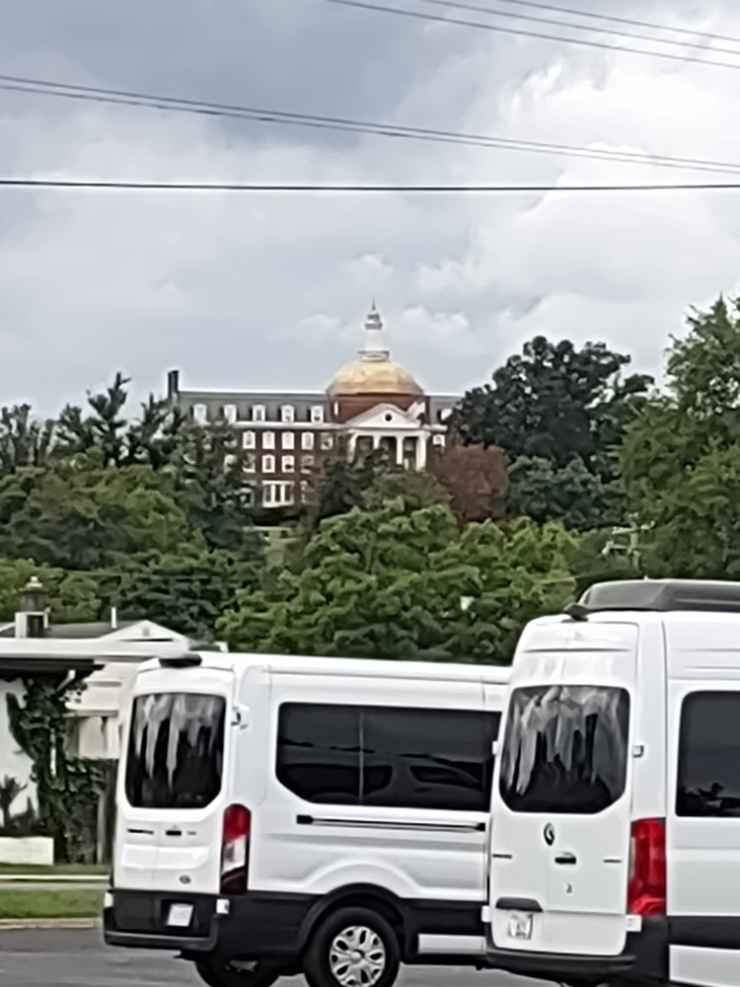
Although the Confederates had 48 cannons available, Colonel Stapleton Crutchfield, Jackson’s chief of artillery, had a very ineffective day. In fact, Gary believes that Jackson’s staff was, in many ways, ill-equipped to assist Jackson effectively during the Valley Campaign. However, that same staff evolved into an effective group during later campaigns led by Richard Ewell and Jubal Early.
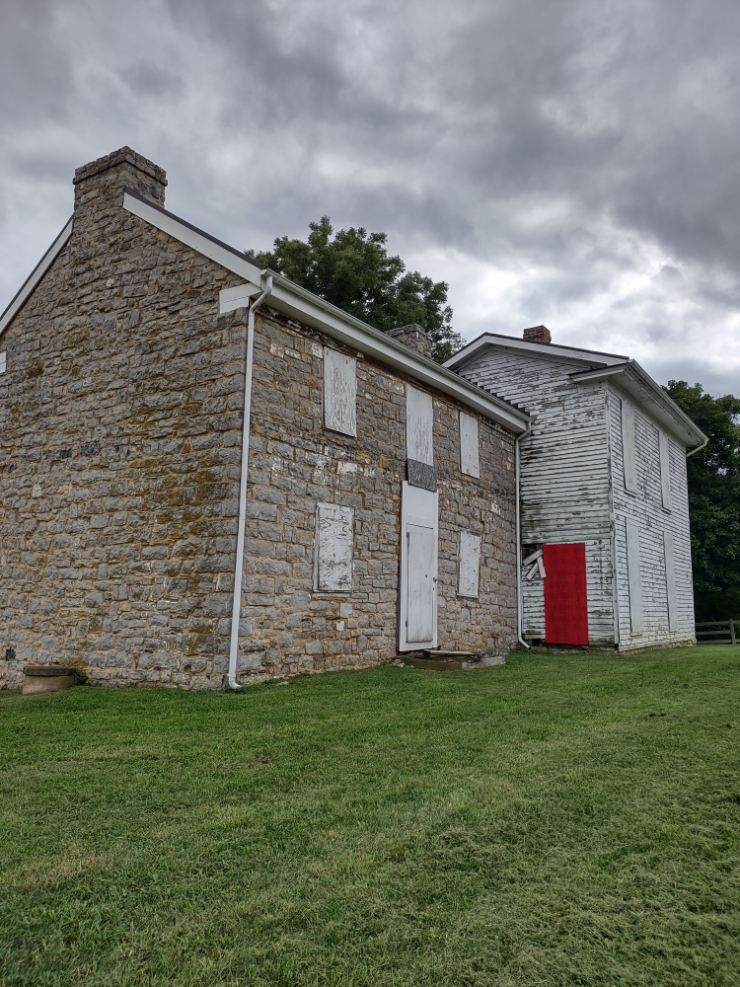
We then proceeded to the Thomas McKay House, or “Fairview,” site outside Front Royal. Here we saw where a New York cavalry unit, Company B, sacrificed itself to allow the rest of the Union forces to escape. Unfortunately, Company B sent 35 men to confront the approaching Confederate forces, and 26 of the 35 were either wounded or killed. Following the sacrifice of Company B, Confederate forces were ultimately successful in capturing more than 700 prisoners and more than $300,000 worth of government material at the railroad depot in Front Royal. Gary illustrated how this small Union force was able to delay Jackson’s army for more than 12 hours, even though the Confederate army held a 14-to-1 numerical advantage.
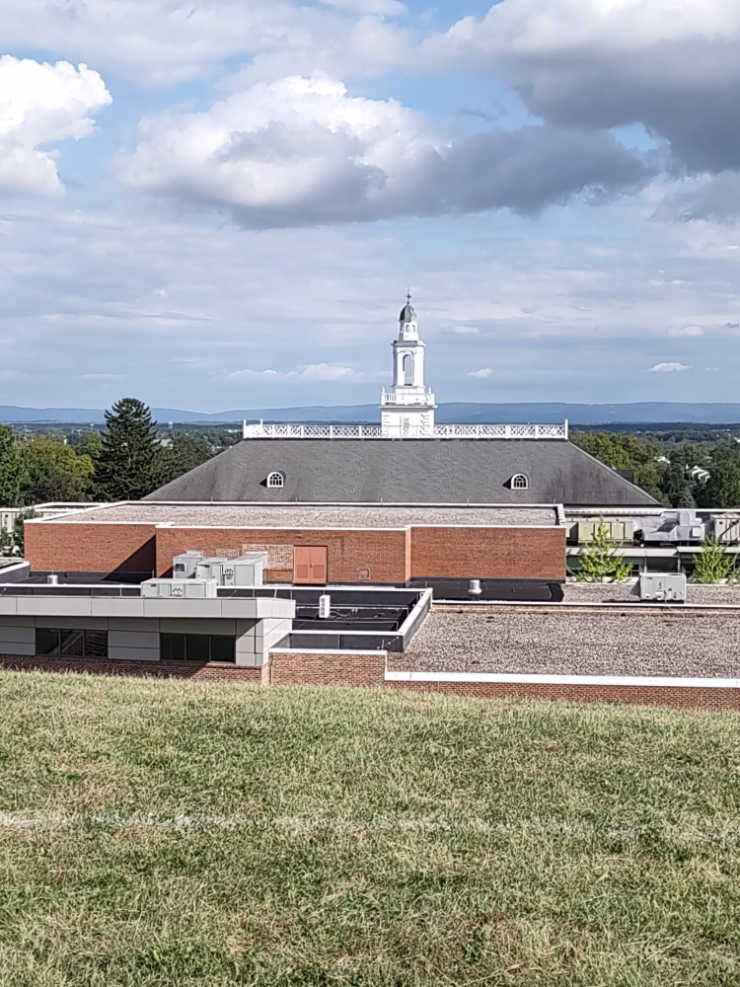
Our next stop was the pristine overlook atop John Handley High School in Winchester, Virginia. This was the site of the First Battle of Winchester on May 25, 1862. Union General Nathaniel Banks had seven regiments defending a position against 16 Confederate regiments under the combined commands of Jackson and Ewell. At the top of the hill, which offered a beautiful and breathtaking view of the Blue Ridge Mountains, we saw the position where the 29th Pennsylvania and 27th Indiana Regiments held against 2,100 men under Confederate Brigadier General Richard Taylor’s command.
It was at this site that Gary explained how Jackson raised his hat in the air and rushed up the hill following the breakthrough by Taylor’s forces. However, the breakthrough was actually part of a planned retreat by Banks’ men. Nevertheless, it provided Jackson with the impetus to consider using Taylor’s men in future battles. This was a bit of foreshadowing of Port Republic and the “Coaling.” Banks’ army retreated 40 miles in the next 13 hours to the Potomac River, thereby reaffirming Jefferson Davis’ military strategy for Jackson.
We departed Winchester and traveled to our final stop of the day, Meems Bottom. Along the way, Gary explained the strategy behind Jackson’s movement toward the Potomac River, only to discover that Union forces were approaching his rear from three directions: John C. Frémont from the Allegheny Mountains, Irvin McDowell and James Shields from Manassas Gap, and eventually Nathaniel Banks from north of the Potomac.
As Jackson’s army moved back up the Valley toward the south, near Mount Jackson on the Shenandoah River and in the vicinity of New Market, it was harassed by a portion of McDowell’s command – Bayard’s Brigade, led by Brigadier General George Bayard. This brigade consisted of cavalry regiments and the Pennsylvania Reserves, or 1st Rifles.
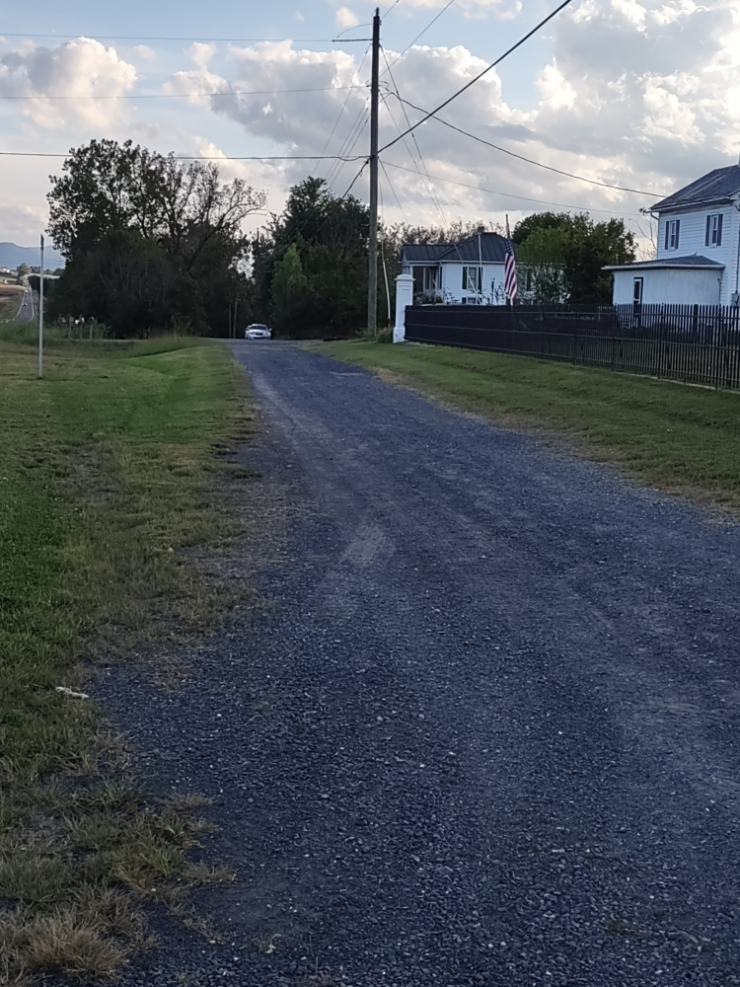
During the pursuit, Bayard’s 1,500 men constantly tailed Jackson’s army. Jackson’s army had marched from outside Harpers Ferry on the Potomac to Meems Bottom, a distance of more than 80 miles, in just four days. Jackson’s troops were exhausted and were accompanied by 1,000 Union prisoners. Gary showed us the location of the bridge that was burned by Confederate forces to prevent Bayard’s men from continuing the pursuit. We walked along the pathway of the original Valley Turnpike and saw the remnants of the burned bridge.
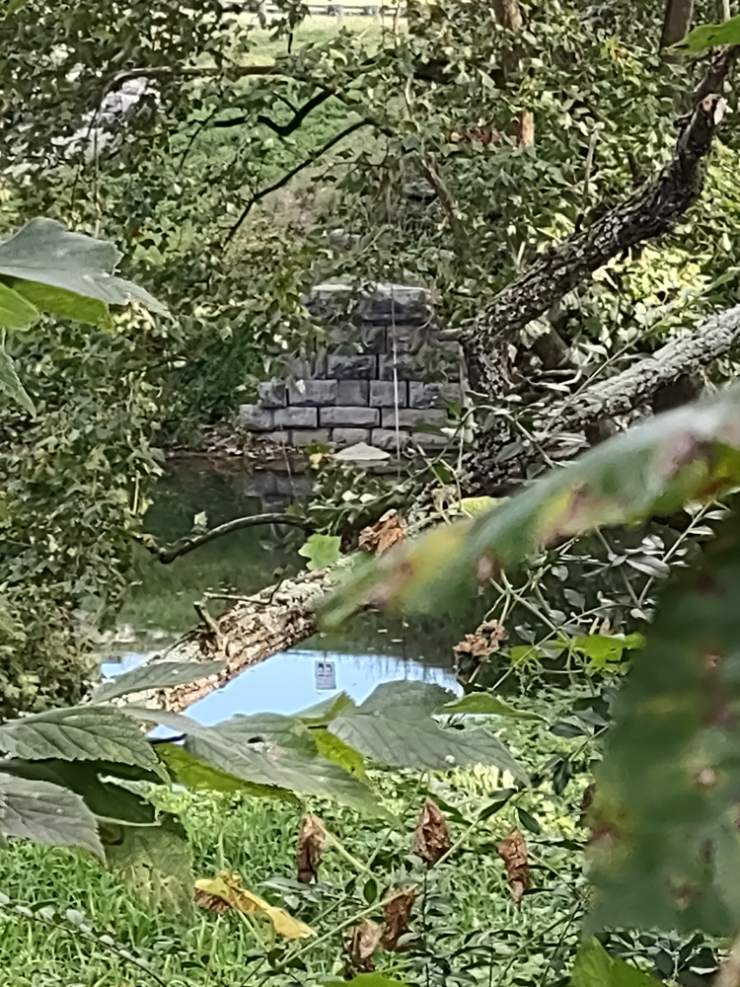
Gary explained that Jackson lost 500 men during this rearguard pursuit. He also stated that it was the third-highest loss in numbers for Jackson, equaling his losses at the Battle of McDowell. Gary described this engagement as the day President Lincoln was defeated by Jackson in the Valley Campaign. His reasoning was that Jackson concentrated his forces below Harrisonburg, forcing the Union to split its forces into smaller targets that Jackson and Ewell’s forces could then isolate and defeat.
Saturday, September 19, 2026
Saturday began with another journey through the Shenandoah Valley. Our tour began with a stop at the Turner Ashby Monument.
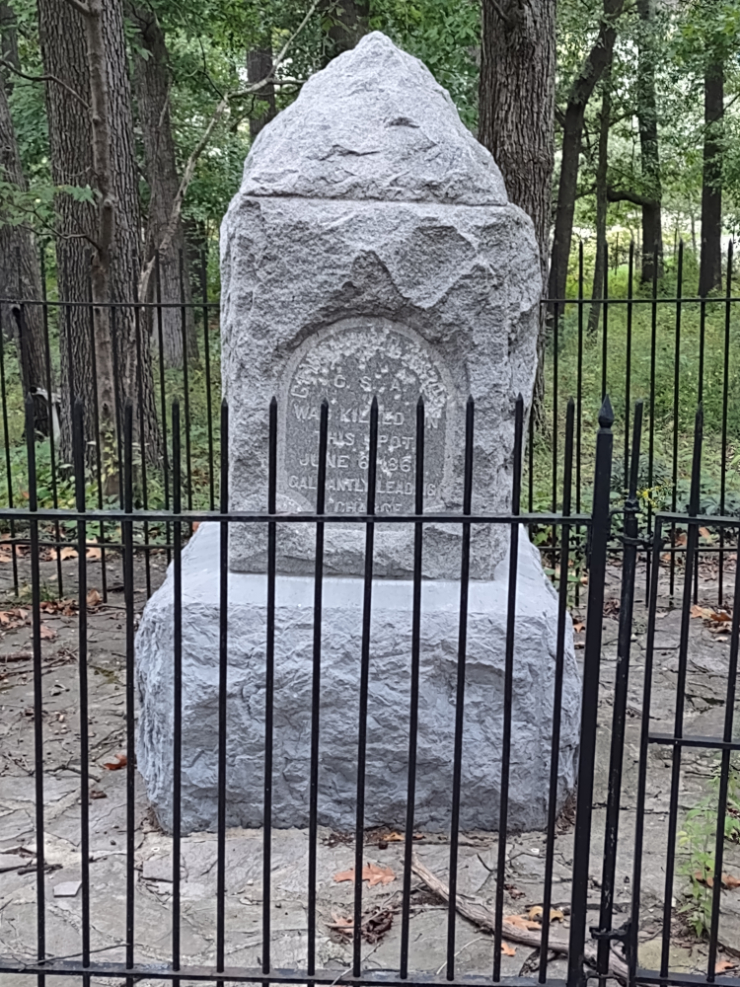
As previously mentioned, Jackson’s cavalry forces had been able to cross the Shenandoah River just north of New Market and then burned the bridge, putting both time and distance between Jackson’s retreating army and Bayard’s “flying cavalry.” Moving 22 miles south of the burned-out bridge, Jackson’s army was able to obtain some much-needed rest around Harrisonburg. Meanwhile, Bayard’s cavalry began crossing the Shenandoah River over a hastily constructed pontoon bridge. Turner Ashby, Jackson’s flamboyant cavalry commander, became perturbed by the constant pressure from Bayard’s movements and reportedly uttered to his men, “It all ends today.”
Ashby’s men took position on Chestnut Ridge and engaged Union forces along the Port Republic Road. Union commander Thomas Kane occupied one end of Chestnut Ridge with approximately 150 members of the Pennsylvania Bucktails. Ashby confronted the Pennsylvanians with the 58th Virginia Regiment, numbering around 250 men. In a dangerous move, Ashby physically placed himself in the open area between the two lines.
During the brief skirmish, Ashby was struck by a bullet that passed through his side, killing him instantly. Meanwhile, the 44th Virginia Regiment engaged the Bucktails along the flank of their position, while the 58th Virginia faced them from atop Chestnut Ridge. In the fighting, the Bucktails lost approximately one-third of their men, including the capture of Kane, while Jackson’s forces suffered another 70 casualties. Ashby’s body was removed from the field and taken to nearby Port Republic, where it was placed in the Kemper House. Captain Samuel Coyner assumed command of Ashby’s cavalry.
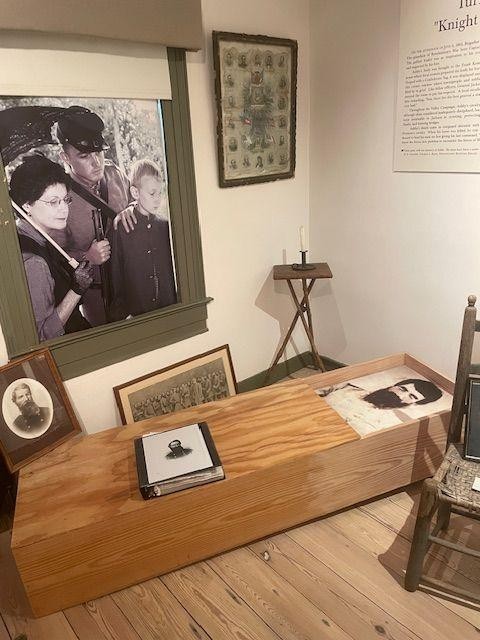
The display is in the Port Republic Museum, which is in the Kemper House.
For the rest of the morning, we examined a series of bridges that became important during the Valley Campaign. These bridges crossed the South Fork of the Shenandoah River along the Massanutten Mountain Range. Their destruction was intended to prevent Union troops on the opposite side of the river from combining with Shields’ army in the Luray Valley and Frémont’s army across the Massanutten Mountains.
Gary took us to several locations where remnants of these bridges can still be seen, including White House Bridge, Columbia Bridge, and Miller’s Bridge at Conrad’s Store. At White House Bridge, we were able to see the White House, or Kauffman House, which was built in 1760 during the time of the French and Indian War.
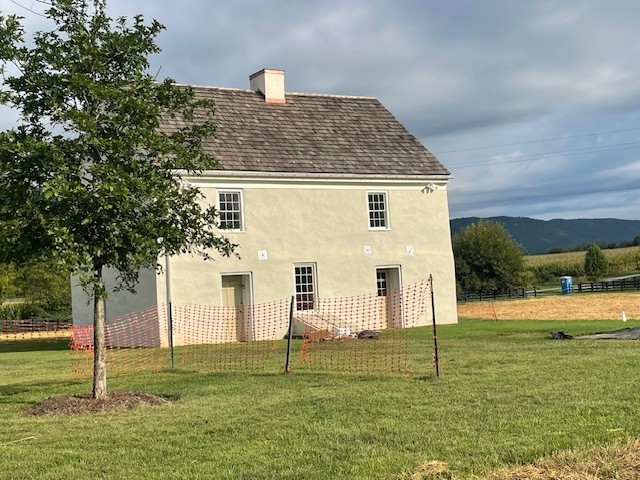
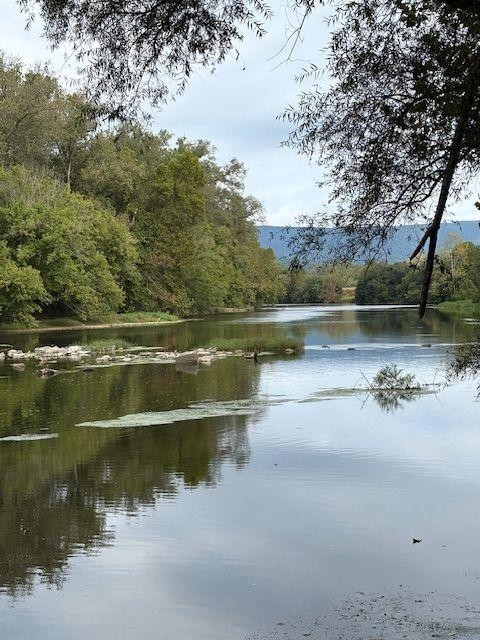
We also viewed the remaining abutments of Columbia Bridge, which once stretched approximately 400 feet across the South Fork of the Shenandoah River. During the 1862 Valley Campaign, persistent rain caused the river to swell to more than 12 feet in depth. Gary explained that by the time Shields arrived at the bridge on June 4, the communication route with Frémont across the Massanutten Mountains had become a 60-mile overland trek rather than the 10-mile journey it would have been had the bridge remained intact. Fortunately for Shields, his men were able to construct a temporary pontoon bridge across the river by June 6.
Gary then shared with the group a series of communications between General Shields and Colonel Samuel S. Carroll, commander of Shields’ 4th Brigade. These messages were sometimes addressed to Colonel Carroll and at other times to Brigadier General Carroll, which was Shields’ way of enticing Carroll to aggressive action by dangling a possible promotion at him. These messages document the confusion surrounding the destruction of the bridges along the South Fork of the Shenandoah.
On June 4, one message instructed that the bridge at Port Republic be saved. Later, however, there was a belief that the bridge had already been burned. By June 7 and 8, a series of communications between Shields and Carroll reiterated the belief that there was no longer a bridge at Port Republic. Shields believed that if Carroll could get his men across the river, he might be able to position his forces to cut off Jackson as he moved below Port Republic toward Waynesboro.
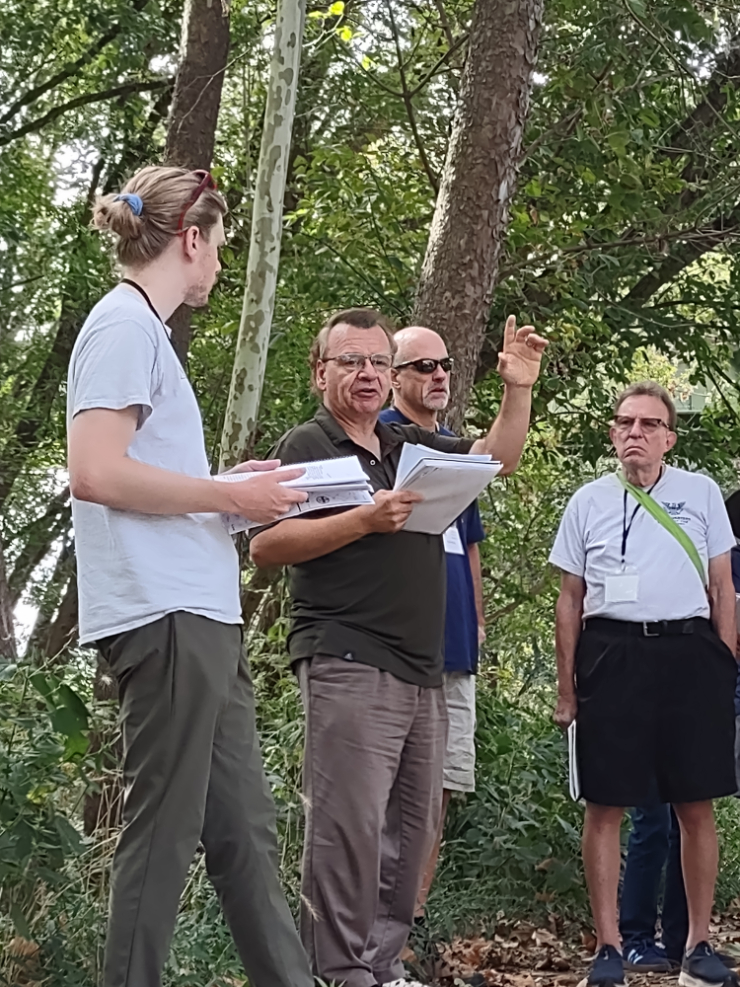
As we made our way toward Port Republic, we saw the exact location of the bridge. The believed-to-be-destroyed bridge – a covered bridge – was, in fact, still standing. Gary showed us the location of the bridge and the site of the brief skirmish that occurred when Carroll’s men entered Port Republic. It was here that a series of miscommunications took place among Carroll’s men over whether the bridge should be burned or left intact. This decision was quite significant, because the confusion surrounding the bridge represented one of the closest opportunities Union forces had to potentially capture Jackson.
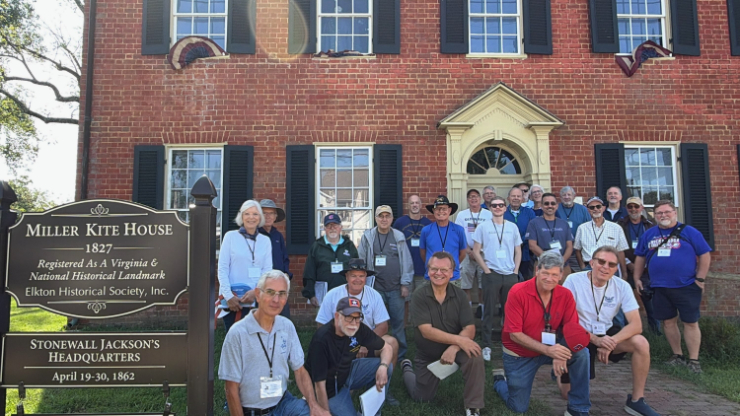
Cross Keys
After lunch, the group traveled to Cross Keys, where Frémont’s army of approximately 10,500 confronted Ewell’s Confederate force of roughly 5,500. Despite being outnumbered nearly two to one, Ewell’s artillery was able to hold the high ground and keep the Union forces in check.
We made our way to the location of the Widow Pence Farm, where the 8th New York Regiment suffered a terrible fate because of the undulating terrain. Ewell’s 7th Brigade, commanded by Brigadier General Isaac Trimble, was able to deploy approximately 1,350 men along a protected fence line. Because of the terrain, this position was not visible at the place from which the 8th New York advanced. Gary took us to this exact location, and we marched up the slope toward Trimble’s Brigade to observe the terrain from the perspective of the Union soldiers. It was eerie experiencing this firsthand.
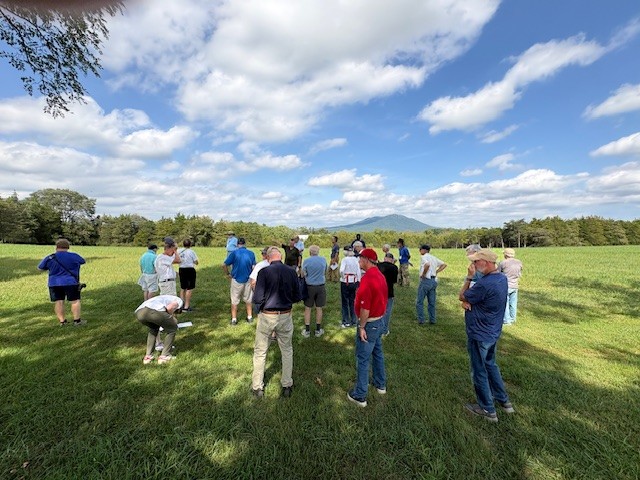
Our small group lined up and, for a brief moment, pretended to be the 8th New York as we walked the same ground they had traversed. We needed to march only several yards before we could see for ourselves the trap that had been set. It is no coincidence that 187 members of the 8th New York were killed or wounded, while another 50 were captured, out of approximately 550 men engaged. The Battle of Cross Keys lasted six hours, with Ewell’s army suffering approximately 267 casualties compared to more than 600 Union casualties. Gary contends that the Confederate artillery prevented an even greater and more terrible toll – one that occurred the following day at the Battle of Port Republic.
Port Republic and the Coaling
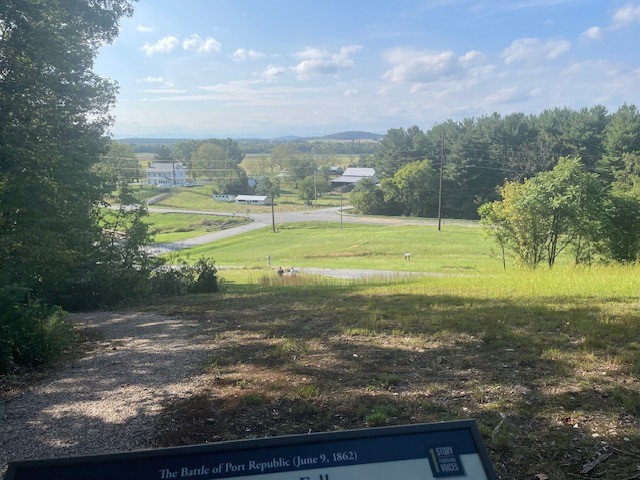
Our tour finished with the final stop at the Port Republic battlefield and the Coaling. We saw the area where more than 1,000 men from both sides became casualties. The ground between the opposing forces witnessed vicious fighting, resulting in more than 550 men killed or wounded in only 30 minutes. The fighting across the fields represented the Confederates’ largest offensive of the 1862 Valley Campaign up to that point, before the combat at the Coaling a few hours later.
We then climbed back into the vans for the short drive to the Coaling. Walking to the top and seeing the place where Union artillery had been positioned was a haunting experience. Hearing Gary describe how the men of the 66th Ohio Regiment defended the guns with spikes, ramrods, and sponges against repeated waves of Louisianans from Taylor’s and Wheat’s battalions was harrowing, to say the least. The stories of the desperate fighting around the guns were chilling. Gary explained how the Confederate attackers reportedly slashed the throats of the approximately 50 horses on top of the Coaling to prevent the Union forces from displacing the artillery. Standing on that ground, it was difficult not to think about the scale of the fighting. The area around us had witnessed more than 1,500 casualties from both sides.
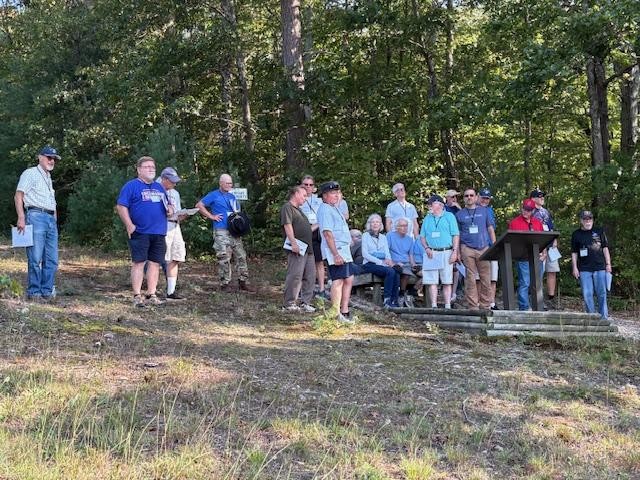
With that, our tour came to an end. We climbed back into the vans and made the drive to the Home2Suites. It had been another remarkable day in the Shenandoah Valley – one that took us beyond simply seeing battlefields, but rather walking the ground, examining the terrain, and better understanding the decisions, confusion, courage, and sacrifice that shaped Jackson’s 1862 Valley Campaign. This distinction between a cursory visit to a battlefield and an in-depth firsthand analysis truly is the greatest reward of a Roundtable field trip.
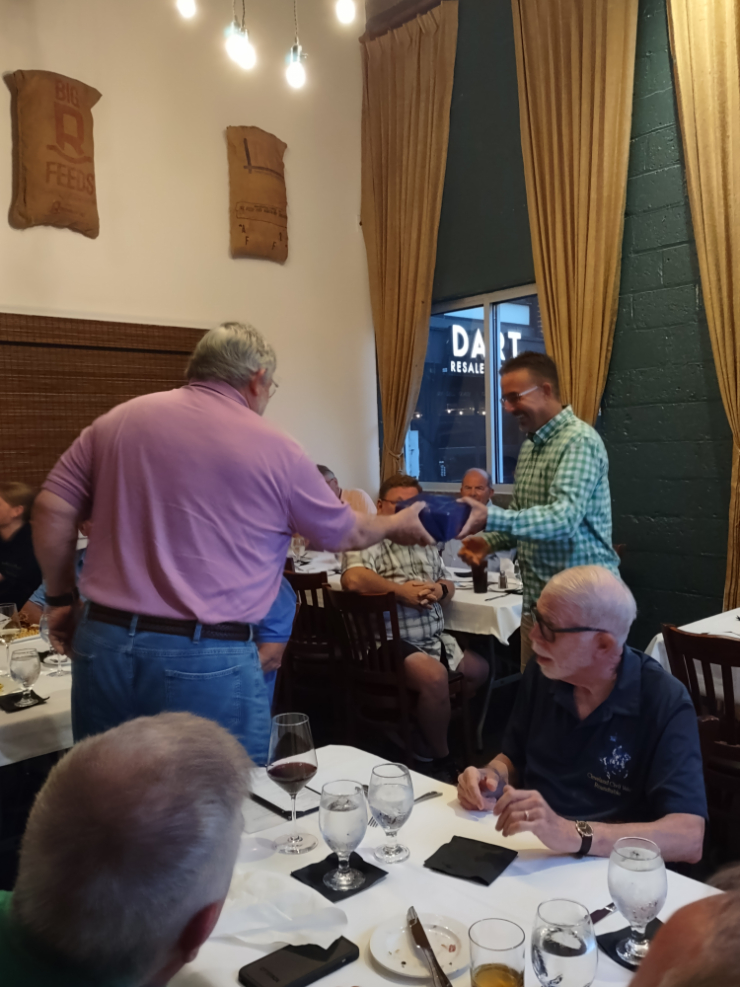
That evening, all of the participants of the 2026 field trip headed into downtown Harrisonburg for a group dinner at Rocktown Kitchen. At dinner, Roundtable Vice President Gary Taylor presented to Roundtable President John Syroney a replica Civil War officers’ field lap desk in appreciation for all that John did in organizing the field trip. The 2026 Roundtable field trip was an outstanding and memorable excursion, and it gave field trip participants the opportunity to personally experience locations that became historic because of what happened at those places 164 years prior to our visit.
Related links:
List of Roundtable Field Trips
Field trip report for 2008
Field trip report for 2021
Field trip report for 2024
Field trip report for 2025