
Other than Ohio, what was the most important state, North or South, during the Civil War era? Illinois
By David F. Parchem
The Cleveland Civil War Roundtable
Copyright © 2026, All Rights Reserved
Editor’s note: The subject of the annual Dick Crews Memorial Debate at the January 2026 Roundtable meeting was: “Other than Ohio, what was the most important state, North or South, during the Civil War era?” Four members made presentations on the topic; the article below was one of those four presentations.
“Wars may be fought with weapons, but they are won by men.”
General George S. Patton
The three most important men for winning the Civil War came from Illinois.
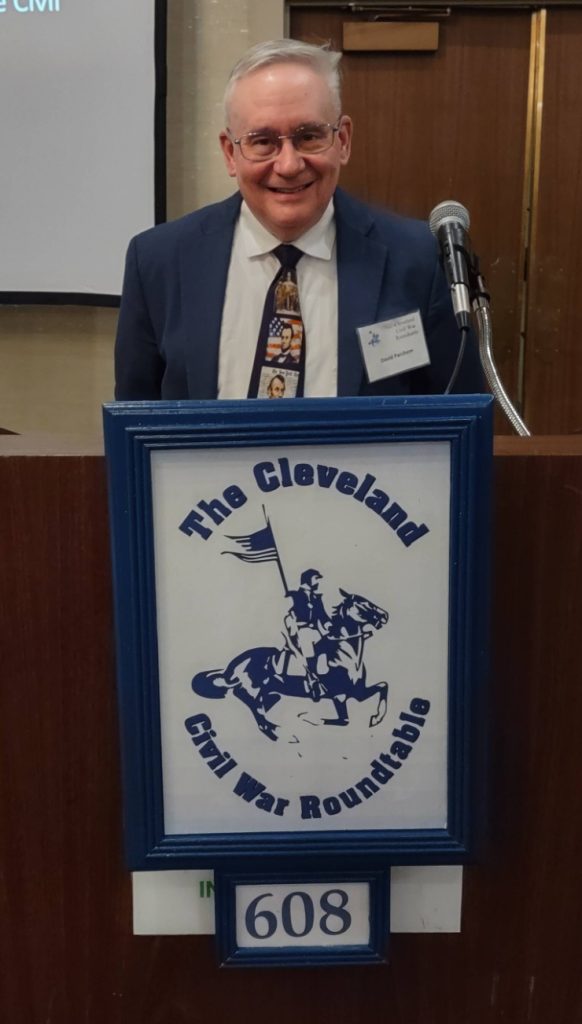
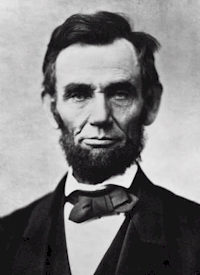
The first was Abraham Lincoln. His election as president precipitated South Carolina’s secession. His determination and his pledge to preserve the Union set the course of the war and its eventual victory. He gave this country a new birth of freedom through the Emancipation Proclamation and the Thirteenth Amendment. These eliminated slavery in our country and the ultimate cause of the war. In the Gettysburg Address and the Second Inaugural, he gave us immortal words to live by. He persevered through personal threats, opposition from Copperheads, gloomy election forecasts, and multiple defeats in battle through a succession of generals until he appointed the right man to lead the army to victory.
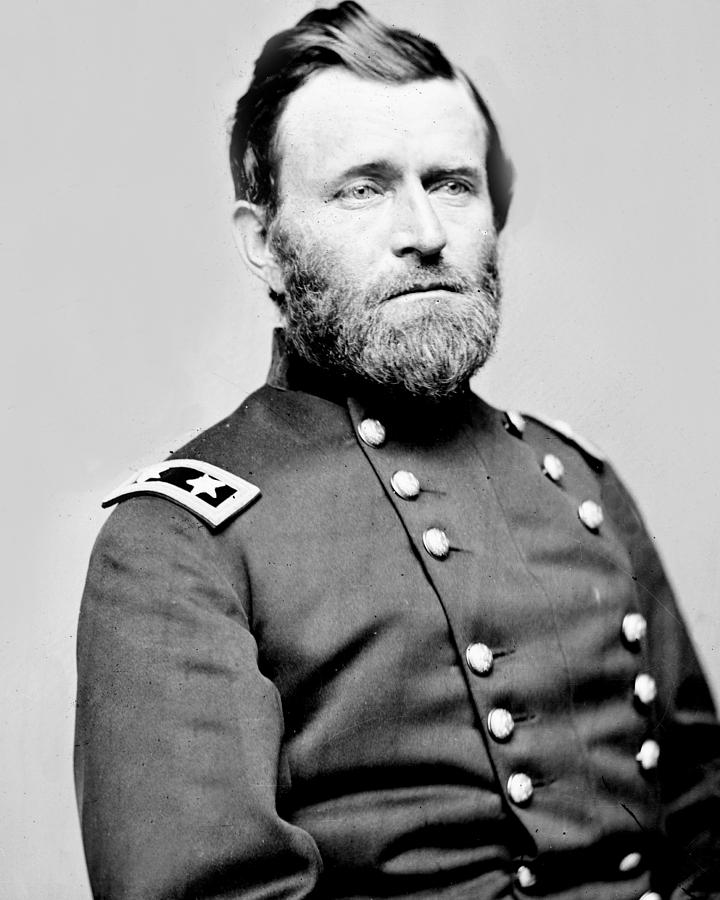
Which brings us to the second man, Ulysses S. Grant. Although Ohio rightfully claims him as her own, in 1861, Grant was a resident of Galena, Illinois. Grant won most of the decisive battles of the war: the siege of Forts Henry and Donelson, which opened up the Cumberland River and the heartland of the South; Shiloh, where he defeated Albert Sidney Johnston and the Army of the Mississippi; Vicksburg, where he defeated the combined armies of Joseph Johnston and John Pemberton and thereby opened up the Mississippi River for the Union; Chattanooga, where he lifted the siege of the city by Braxton Bragg and the Army of Tennessee and thereby freed the besieged Army of the Cumberland; the Overland Campaign and the siege of Richmond and Petersburg, in which he defeated Robert E. Lee and the Army of Northern Virginia. Grant promulgated the strategy of coordinated attacks that brought final victory. Once Grant started, he never turned back.
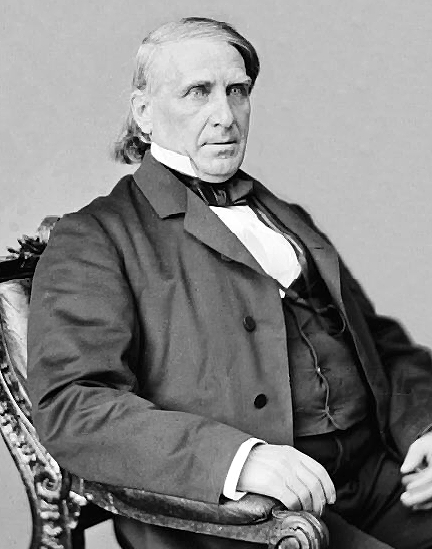
Finally, there is Elihu Washburne, the long-standing Republican representative from Galena, Illinois and friend of Abraham Lincoln. He became Grant’s sponsor throughout the war. At the initial recruitment rally in Galena, Washburne called Grant to the platform to instruct the crowd on military matters. He introduced Grant to Governor Richard Yates, who appointed Grant colonel of the 21st Illinois on June 16, 1861. Washburne urged Lincoln to promote Grant to general and commander of southeast Missouri, and he advised Grant to advance his career by following Lincoln’s policies. Washburne defended Grant from charges of negligence at Shiloh, from charges of drunkenness throughout the war, and from calls for his dismissal. Without Elihu Washburne, the Union probably does not have General Grant leading it to victory.
That is why Illinois, other than Ohio, was the most important state during the Civil War.
Go back to the third argument >>
Return to the Great Debate of 2026 home >>