
The Fall of Atlanta
By Daniel J. Ursu, Roundtable Historian
The Cleveland Civil War Roundtable
Copyright © 2025-2026, All Rights Reserved
Editor’s note: This article was the history brief for the April 2026 meeting of the Cleveland Civil War Roundtable.
Part 4 of this series (the March 2026 history brief) covered the previous phase of Union General William Tecumseh Sherman’s Atlanta Campaign in the wake of General Ulysses S. Grant’s letter of April 4, 1864, which directed Sherman regarding the rebel Army of Tennessee: “to break it up, and to get into the interior of the enemy’s country as far as you can, inflicting all the damage you can against their war resources.” Part 4 specifically covered Sherman’s advance against the retreating Confederate army from the Chattahoochee River to the Battle of Peachtree Creek. With the aggressive Confederate General John Bell Hood now in command of the rebel Army of Tennessee, Confederate President Jefferson Davis thought that the momentum of the campaign could possibly turn in the South’s favor. But the rebel defeat at Peachtree Creek was a step in the wrong direction.
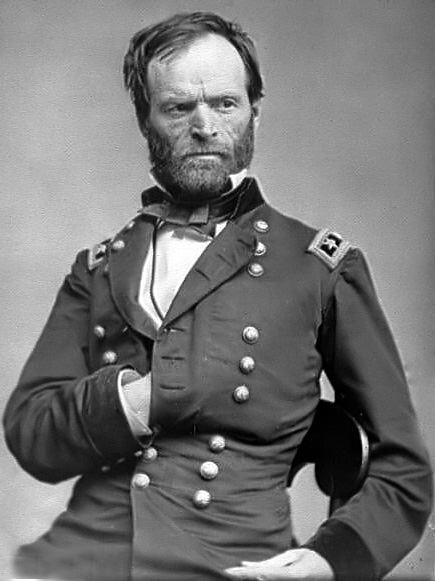
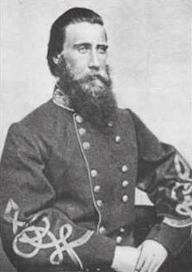
After Hood retreated into Atlanta, Sherman had no intention of attacking the city with its formidable Confederate fortifications that Sherman characterized as “too strong to attack and too extensive to invest.” Instead, he planned to make a circuit of the city in order to gain control of the four railroads that supplied Atlanta. Sherman already had the Western & Atlantic Railroad and the Georgia Railroad under his control. In cutting the other two, Sherman hoped to lure the impetuous and outnumbered Hood into a decisive field battle and thereby avoid a long siege like that at Vicksburg, Mississippi the previous year.
Hood soon cooperated. His new plan was to order William Hardee’s corps to march south out of Atlanta, turn east, and then attack James B. McPherson’s Union army from the south at Bald Hill. Simultaneously, Benjamin Cheatham’s corps would hit McPherson’s front, destroying one of the three Union armies in Sherman’s force and reopening the Georgia Railroad with the goal of soon receiving reinforcements by rail from General Robert E. Lee’s Army of Northern Virginia. A mere two days after the Peachtree Creek defeat, with his troops still exhausted, Hood unwisely set this plan in motion. Hardee’s approach march was a daunting 15 miles long in oppressive heat – which suddenly turned into a downpour of rain, and the rain gave rise to mud that slowed the advance. Further, this confused Hardee’s scouts who lost their way. All of these complications led to the attack being six hours late. Meanwhile, Union General McPherson saw the trap forming and prepared a defense in Hardee’s direction. McPherson placed the XVI Corps there while keeping the XV and XVII Corps facing westward against Cheatham.
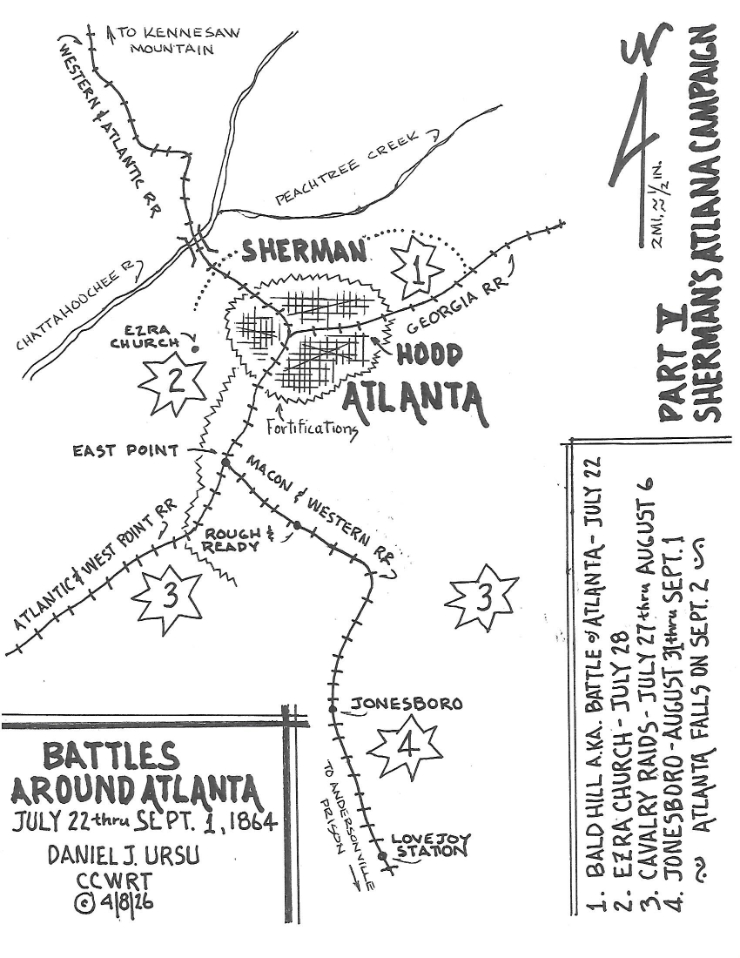
In a wild fight, Patrick Cleburne’s division broke through XVI Corps defenses but was repulsed by timely Yankee artillery fire. Cheatham then successfully attacked several hours later against the Union XV Corps, but General Sherman himself personally deployed another 20 artillery pieces in that direction with some infantry to counterattack. Sherman shouted, “Fight ’em, fight ’em, fight ’em like Hell!” After eight hours, the rebels retreated from the Bald Hill battlefield with about 8,000 casualties to the Federals 3,700. Cleburne’s excellent division lost 40% of its strength and about 30 out of 60 officers. During the battle, Hood once again inexplicably remained at Oakwood Cemetery in Atlanta, similar to what he had done during the Battle of Peachtree Creek. Likewise similar to Peachtree Creek, Hood blamed Hardee for the defeat because of Hardee’s late start.
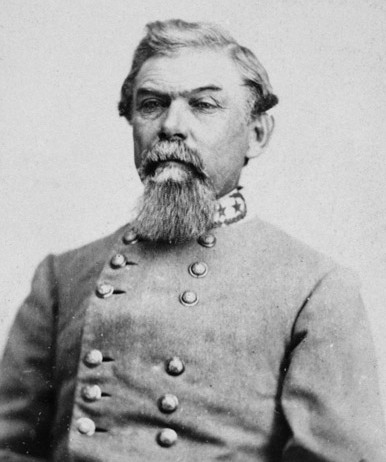
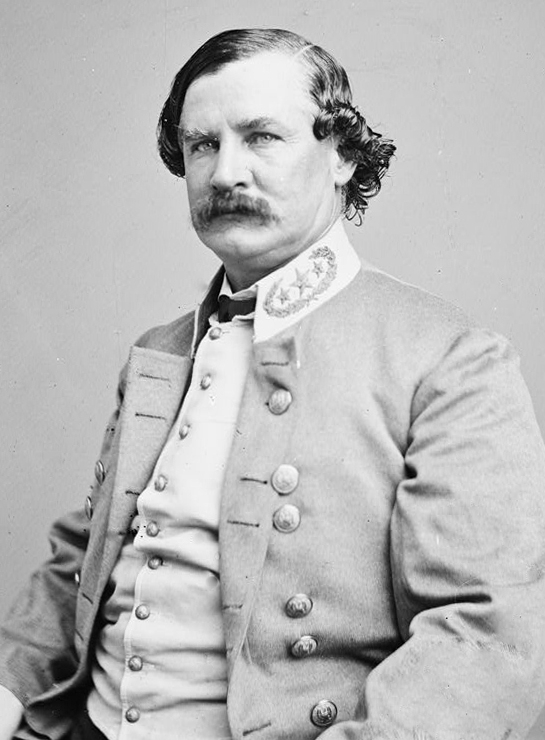
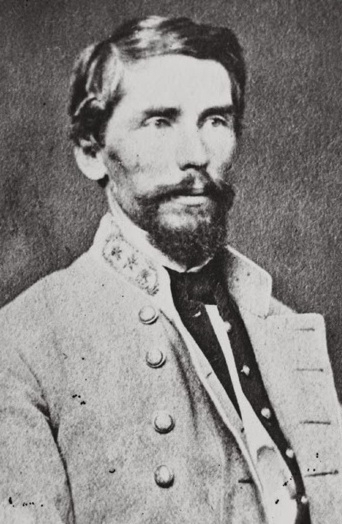
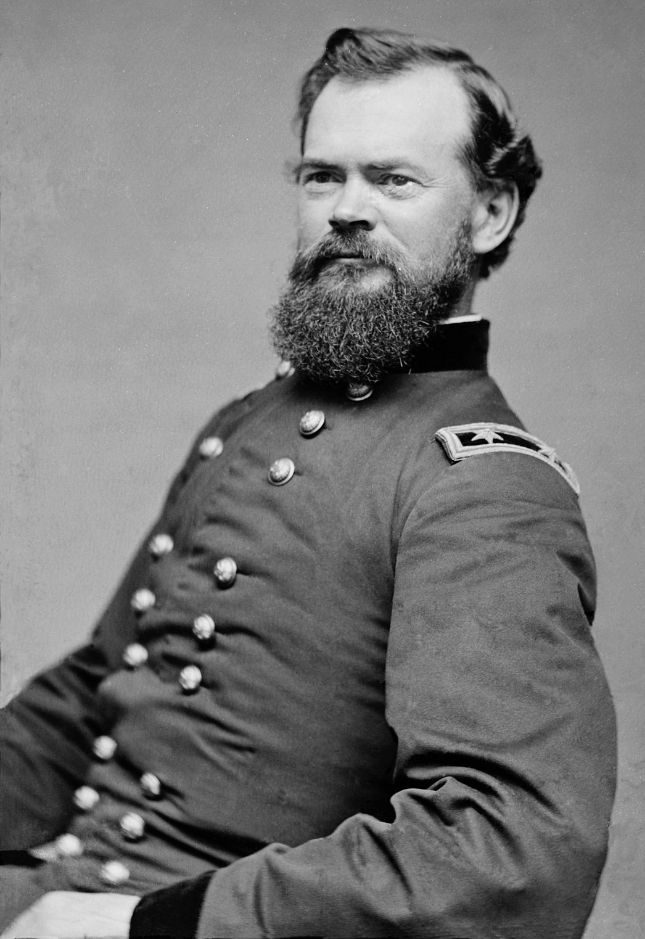
Union losses were relatively light, but with one highly notable casualty. Ohioan General McPherson, on horseback when the fighting began, rode in the direction of the firing. He mistakenly ran headlong into Cleburne’s charging Confederates, who ordered him to surrender. McPherson refused, gave a sharp salute, and attempted to ride away. He was immediately shot dead through the chest and lungs. When the body was recovered, fellow Ohioan General Sherman wept openly. Sherman commented in his Memoirs, “McPherson was then in his prime (about thirty-four years old), over six feet high, and a very handsome man in every way, was universally liked, and had many noble qualities…I ordered his personal staff to go on and escort the body to his home, in Clyde, Ohio, where it was received with great honor, and it is now buried in a small cemetery, close by his mother’s house.”
Sherman replaced McPherson with General Oliver O. Howard, infamous from the Battle of Chancellorsville back east, but now with his credibility regained during the Atlanta Campaign. This was much to the jealous disgust of General Joseph Hooker, who had commanded the Army of the Potomac at Chancellorsville and who now commanded a corps in the Atlanta Campaign. Sherman stated in his Memoirs, “We discussed fully the merits and qualities of every officer of high rank in the army and finally settled on Major-General O. O. Howard as the best officer who was present and available for the purpose; on the 24th of July I telegraphed to General Henry Halleck this preference, and it was promptly ratified by the President.”
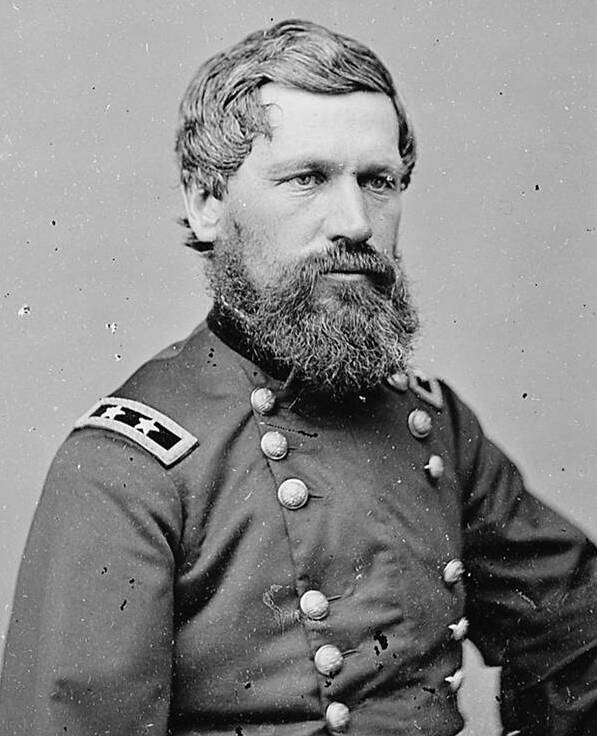
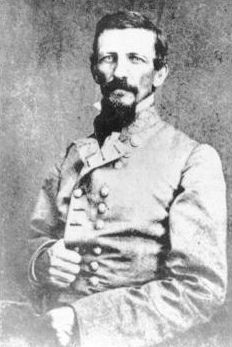
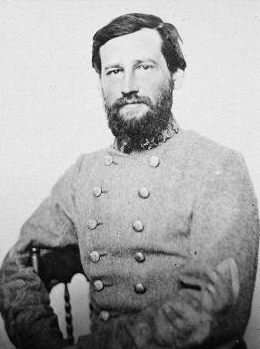
On July 27, Sherman ordered Howard to swing his army north, then west over the Chattahoochee River, and finally southward to cut the Atlantic & West Point Railroad along with the Macon & Western Railroad before they divided at East Point. Hood learned of this and sent two rebel corps under General Alexander Stewart and General S. D. Lee to prepare a blocking position. On July 28, the opposing armies collided at Ezra Church, where Union General Howard adroitly prepared a horseshoe-shaped defensive line. S. D. Lee just as quickly tried to break that new line before it formed, but was too late and was driven back. Stewart then tried to turn Howard’s right flank, but was mortally shot and his troops were repulsed. Over the next three hours, the Confederates prevented Howard from reaching East Point, but the Battle of Ezra Church came at a terrible cost of 5,000 rebel casualties to a mere 600 Union losses. Hood could not replace those troops, and rebel morale was beginning to plummet. Sherman coarsely commented on the Battle of Ezra Church, “Let them beat their own brains out.”
President Davis was horrified. In his book Embattled Rebel: Jefferson Davis and the Confederate Civil War, James M. McPherson states, “Davis had gotten more than he bargained for in the way of aggressive fighting by Hood” and in an ironic telegram to Hood told him to “stop attacking before you completely destroy the army.” This amounted to a tacit admission of his mistake to replace General Joseph E. Johnston with Hood. Over the next month, a now compliant Hood attempted to goad Sherman into attacking Atlanta’s defenses.
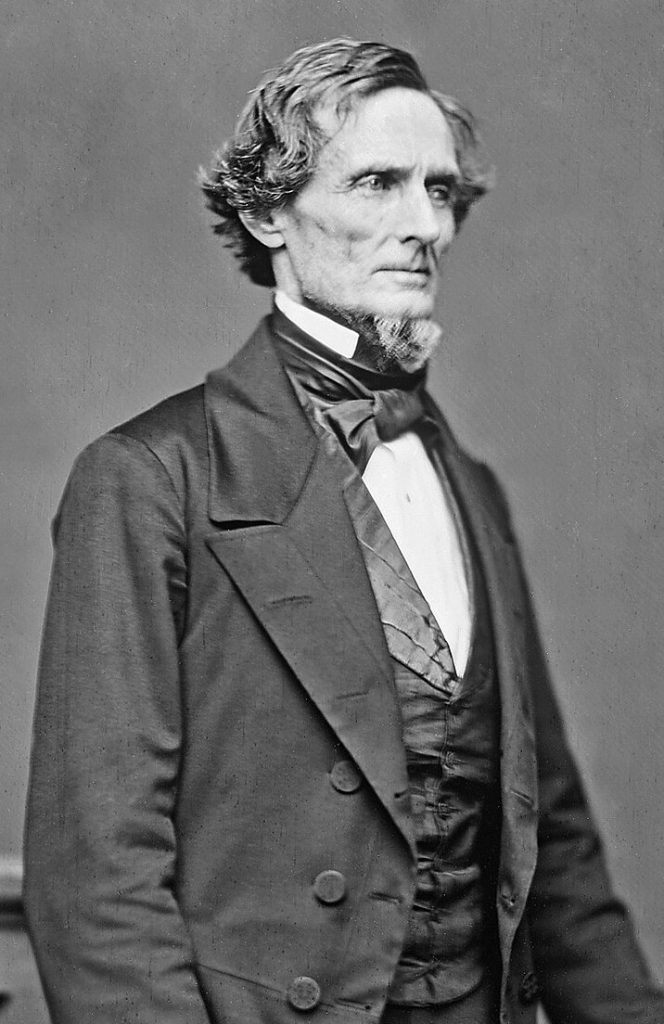
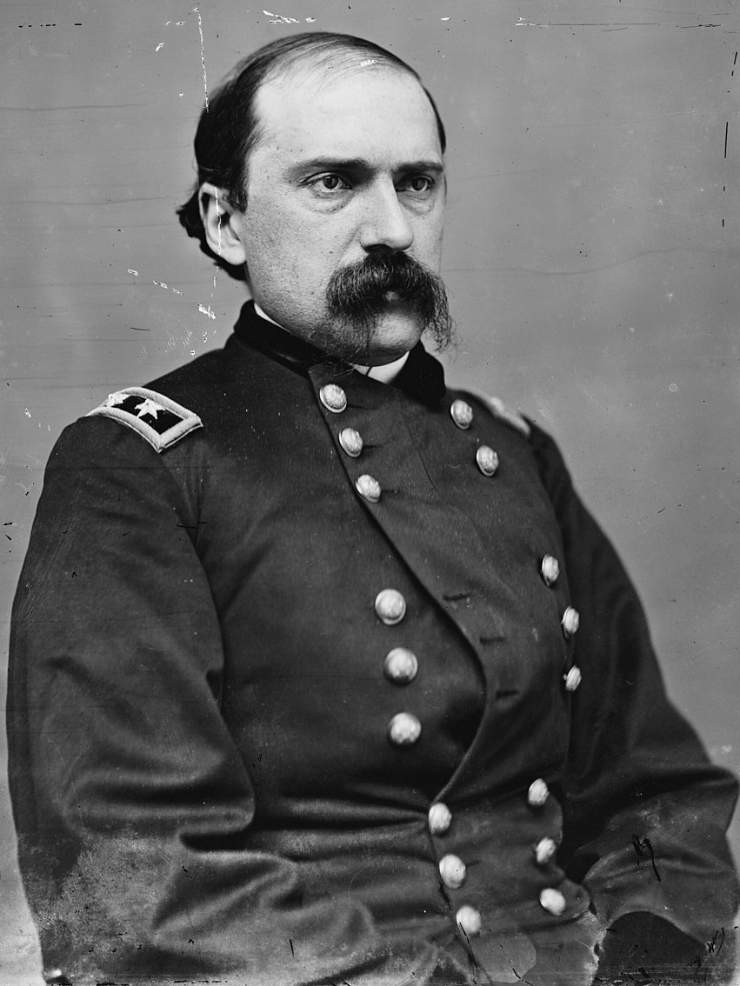
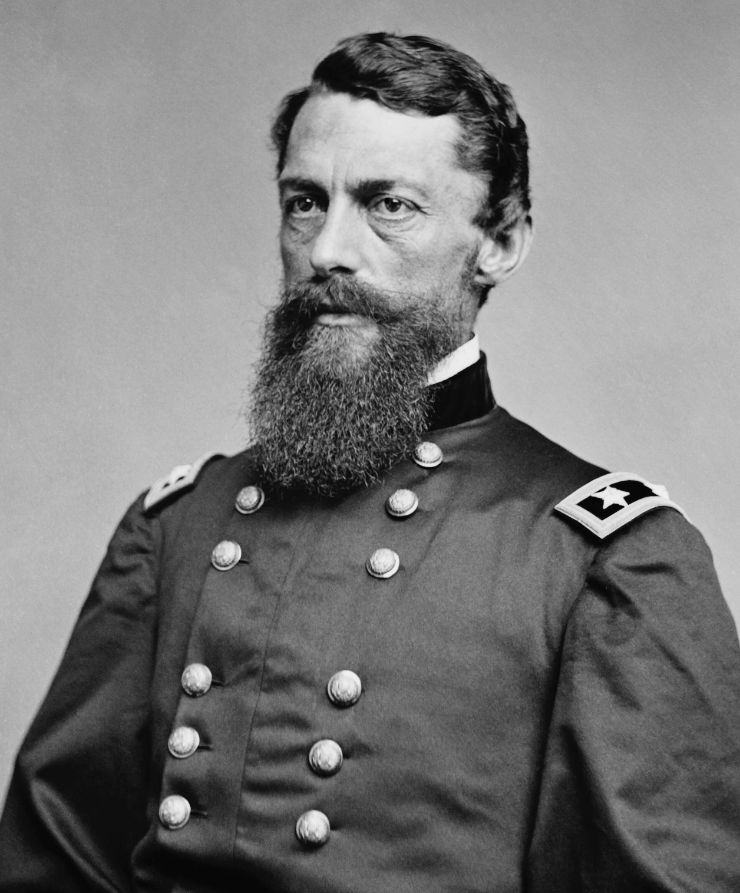
Instead, Sherman ordered his cavalry to cut the railroads west of Atlanta and also to attack east and south of Atlanta, in part to liberate the notorious Andersonville prison. However, instead of keeping their troopers in viable striking units, Union cavalry Generals Edward McCook and George Stoneman dispersed them in small detachments that were ultimately defeated piecemeal by the better led and massed Confederate cavalry. Only 1,600 Union cavalry survived, with many ending up in Andersonville prison themselves. Regarding this, perhaps his worst mistake of the Atlanta Campaign, Sherman commented in his Memoirs, “I now became satisfied that cavalry could not, or would not, make a sufficient lodgment on the railroad below Atlanta, and that nothing would suffice but for us to reach it with the main army.” For the time being, Sherman settled into a formal siege of Atlanta from the northern and eastern directions, which he thoroughly controlled, and began a regular bombardment of the 37,000 remaining Confederate troops.
However, by August 25, since the rebels seemed intent and determined to hold out, Sherman took nearly his entire army less one corps, abandoned his railroad supply line of the Western & Atlantic, and with ten days rations moved southwest to cut the two remaining railroads supplying Atlanta. Hood was happy that the bombardment ceased and that the Union lines emptied. But with his own cavalry now raiding to the north and therefore unable to do reconnaissance, Hood mistakenly thought that Sherman had retreated. Finally, on August 30, Hood discovered that Union General Howard’s army had audaciously cut the railroad at East Point south of Atlanta.
In response, Hood sent General Hardee with 24,000 of his 37,000 troops 15 miles south to Jonesboro to stop the Union advance and protect his final supply line, the Macon & Western Railroad. But upon reaching the town, Hardee found that Howard had once again beaten him to the punch and set up yet another formidable horseshoe-shaped defensive line. Over the next two days, Hardee’s assaults failed. Union observers noted that the rebels seemed out of fighting spirit. Hood then learned that the armies of George Thomas and John Schofield had cut the Macon & Western Railroad north of Jonesboro and isolated Hardee from Atlanta. The skillful Hardee nevertheless pulled out his remaining 12,000 troops to Lovejoy Station south of Jonesboro. From here, Hardee sent a message to Hood that the last railroad into Atlanta had been cut and formally recommended that the city be abandoned. On September 1, Hood took Hardee’s advice and evacuated Atlanta to join Hardee at Lovejoy Station. Atlanta had fallen. Sherman famously wired to General Halleck in Washington, “Atlanta is ours, and fairly won.”
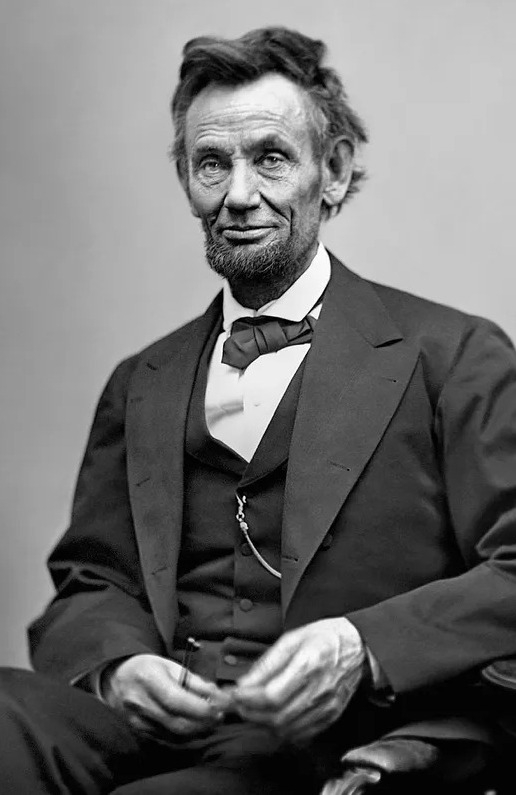
Back east, with General Grant stalled at Petersburg, the great news of Atlanta’s fall hit the Union like a thunderbolt. Historians well conclude that it saved Abraham Lincoln’s political future and with it the hope to preserve the Union and the hope to put an end to the savage institution of slavery. The Democratic Party, led by George B. McClellan, had heretofore gained considerable momentum based on a platform to end the war. Thanks to the fall of Atlanta, a renewed Republican Party went to the polls in the autumn of 1864, and Lincoln triumphed, narrowly winning New York, Pennsylvania, and Indiana in large part due to Sherman’s major victory at Atlanta. By propelling Lincoln’s re-election, Sherman’s Atlanta Campaign arguably became the most important military campaign of the Civil War.
Click on the book links on this page to purchase from Amazon. Part of the proceeds from any book purchased from Amazon through the CCWRT website is returned to the CCWRT to support its education and preservation programs.
Related links:
Sherman’s Atlanta Campaign, Part 1
Sherman’s Atlanta Campaign, Part 2
Sherman’s Atlanta Campaign, Part 3
Sherman’s Atlanta Campaign, Part 4