
Allatoona Pass to Kennesaw Mountain and the Chattahoochee River
By Daniel J. Ursu, Roundtable Historian
The Cleveland Civil War Roundtable
Copyright © 2025-2026, All Rights Reserved
Editor’s note: This article was the history brief for the February 2026 meeting of the Cleveland Civil War Roundtable.
Part 2 of this series (the December 2025 history brief) further examined Union General William Sherman’s continued Atlanta Campaign in the wake of General Ulysses Grant’s letter of April 4, 1864, which directed Sherman regarding the rebel Army of Tennessee: “to break it up, and to get into the interior of the enemy’s country as far as you can, inflicting all the damage you can against their war resources.” That history brief covered Sherman’s advance against General Joseph Johnston’s retreating Confederate army from Resaca to Allatoona, arriving there on May 20, 1864. A formidable defensive general, Johnston throughout the campaign selected ideal defensive positions, and Allatoona was among the best.
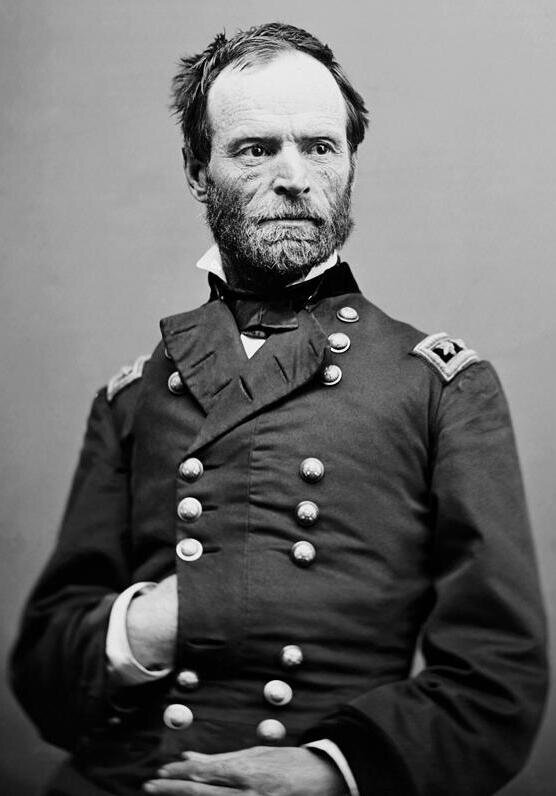
Fortuitously for the Union, “Uncle Billy” Sherman had spent substantial time in Georgia prior to the war where he did a great deal of surveying, which led to him accumulating significant knowledge of its terrain. From that experience, Sherman recognized Johnston’s strong position as nearly impregnable, and he again maneuvered, this time to the southwest near Dallas, Georgia, arriving with his forces by May 24. Johnston reacted quickly by ordering General Leonidas Polk’s and General William Hardee’s corps to a defensive line near New Hope Church. Relatively minor battles took place here and at Pickett’s Mill, with Johnston skillfully avoiding entrapment from successive flanking maneuvers by Sherman’s three armies of maneuver commanded by Generals George Thomas, James McPherson, and John Schofield. For his part, although desiring all the while for a decisive battle, Sherman resisted attacking these strong fortified positions head-on.
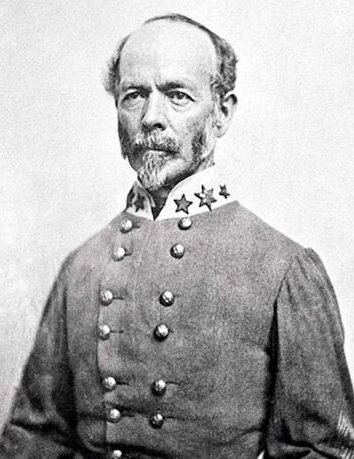
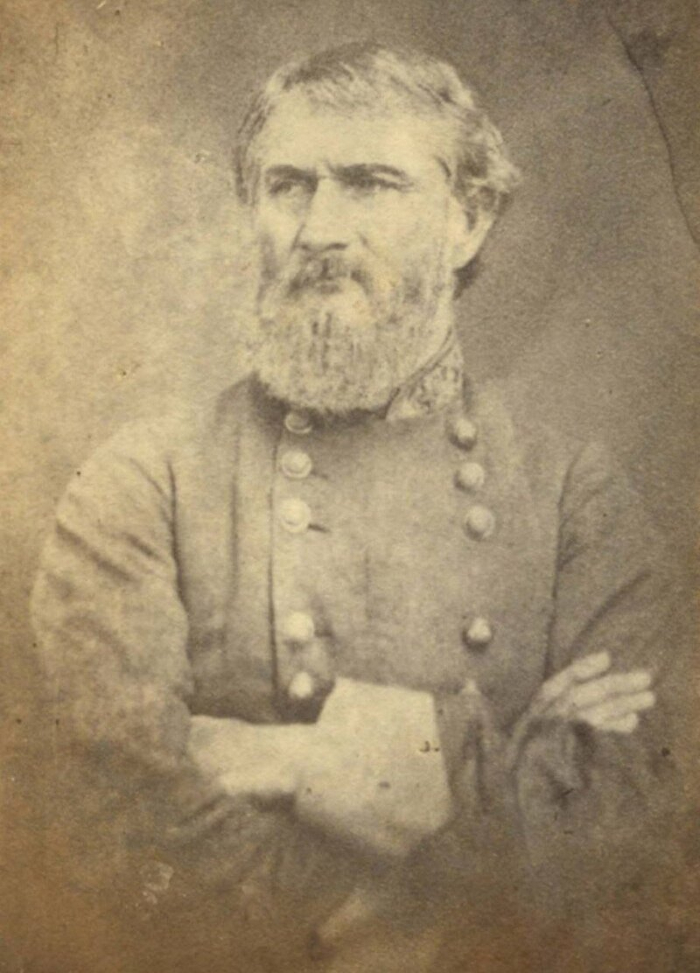
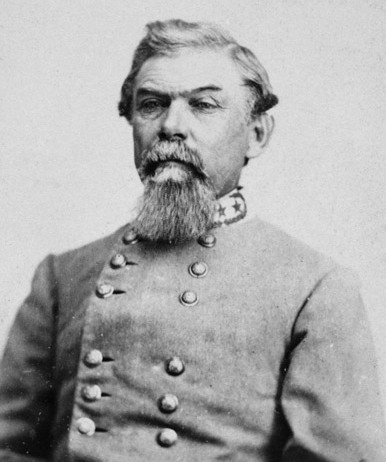
By June 10, Johnston entrenched his army on the northwest front of the 1,800-foot-high Kennesaw Mountain, which actually consisted of three linked hills: Big Kennesaw, Little Kennesaw, and Pigeon Hill. This mountain overlooked Marietta to the southeast. In his Memoirs Sherman recalled: “On the 10th…the whole combined army moved forward six miles, to ‘Big Shanty,’ a station on the railroad whence we had a good view of the enemy’s position, which embraced three prominent hills, known as Kenesaw [sic], Pine Mountain, and Lost Mountain. On each of these hills the enemy has signal-stations and fresh lines of parapets. Heavy masses of infantry could be distinctly seen…and it was manifest that Johnston had chosen his ground well, and with deliberation had prepared for battle; but his line was at least ten miles in extent – too long, in my judgement, to be held successfully by his force, then estimated at sixty thousand.”
Criticism was starting to mount on Sherman for not fighting and winning a decisive battle. Sherman’s frustration with these criticisms coupled with his observation of an overextended rebel line emboldened him. Again from his Memoirs, it is clear that Sherman had a direct assault in mind: “(Johnston’s) position…gave him a perfect view over our field, we had to proceed with due caution. McPherson had the left, following the railroad, which curved around the north base of Kenesaw [sic]; Thomas the centre, obliqued to the right, deploying below Kenesaw [sic] and facing Pine Hill; and Schofield, somewhat refused, was on the general right, looking south toward Lost Mountain.” Hampered by weather and difficult terrain he remarked, “The rains continued to pour, and made our developments slow and dilatory, for there were no roads, and these had to be improvised by each division for its own supply train from the depot in Big Shanty to the camps.”
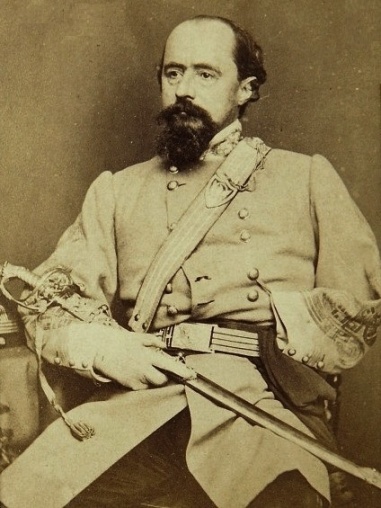
By the 14th, the Union had settled into a line facing Kennesaw. Sherman’s orders were to generally conserve artillery rounds until such time as a major assault was ordered, but he recalled in his Memoirs that they should “keep up the morale of a bold offensive” and “force the enemy to remain on the timid defensive.” He gave Thomas such an order, whereupon a nearby battery soon after fired several volleys. Sherman went out of his way to state in his Memoirs about the death of General Leonidas Polk around this time: “in my opinion, (he) was killed by the second volley…General Polk, who was dignified and corpulent, walked back slowly, not wishing to appear too cautious in the presence of the men, and was struck across the breast by an unexploded shell, which killed him instantly.” There was controversy about whether Sherman knowingly ordered the artillery to fire in the direction of Johnston, Hardee, and Polk, who were together on reconnaissance, but that is beyond the scope of this history brief. In any case, as a result, Johnston lost an experienced corps commander on the eve of battle, but quickly replaced him with General William Loring.
On June 22, Johnston repositioned General John Bell Hood’s corps to the left flank to counterattack a perceived aggression by General John Schofield near Kolb’s Farm. Hood’s counterattack quickly stalled due to swampy terrain and effective Union artillery support. On June 24, Sherman gave orders for McPherson’s army on the left to attack the Confederate right, Thomas the rebel center, and Schofield on the right to mount a diversionary attack on the rebel left. Sherman hoped to crack the line in the center and proceed to Atlanta, which was now only 12 miles away.
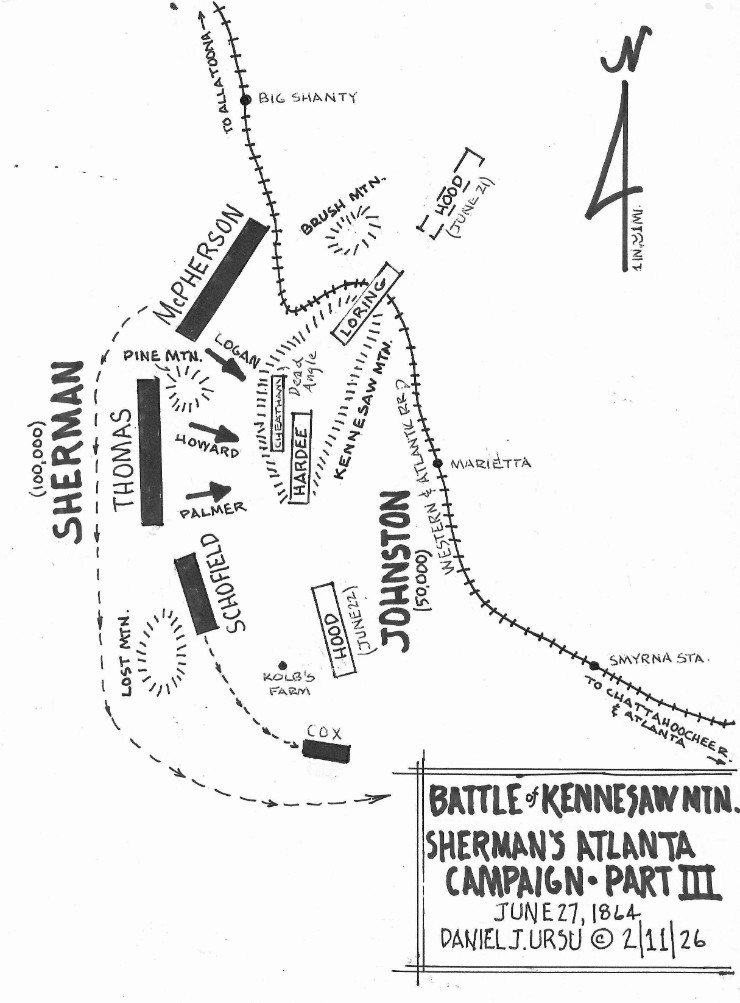
Early on the 27th, McPherson opened with an artillery barrage. Shelby Foote, in his book The Civil War: A Narrative, Volume III, describes the start of the battle: “Precisely at 8 o’clock and without preamble, 200 Union cannon roared into action, pounding away at the rebel line on the mountainside…Finally, close to 9 o’clock, the uproar reached a spasmodic end; the cannoneers stepped back from their pieces, panting, and the blue infantry started forward in two clotted masses…then the attackers emerged into brilliant sunlight, silhouetted against the bright green backdrop of trees, and the rebel headlogs seemed to burst spontaneously into flame along their bottoms.”
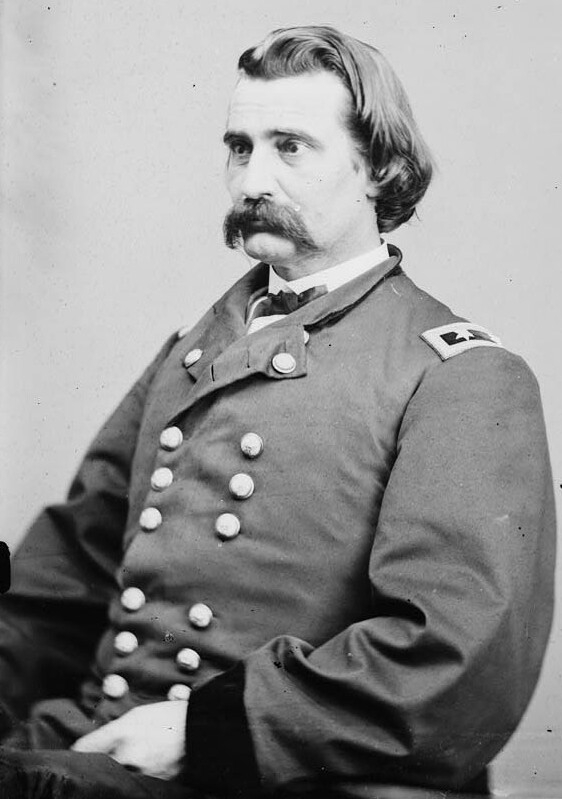
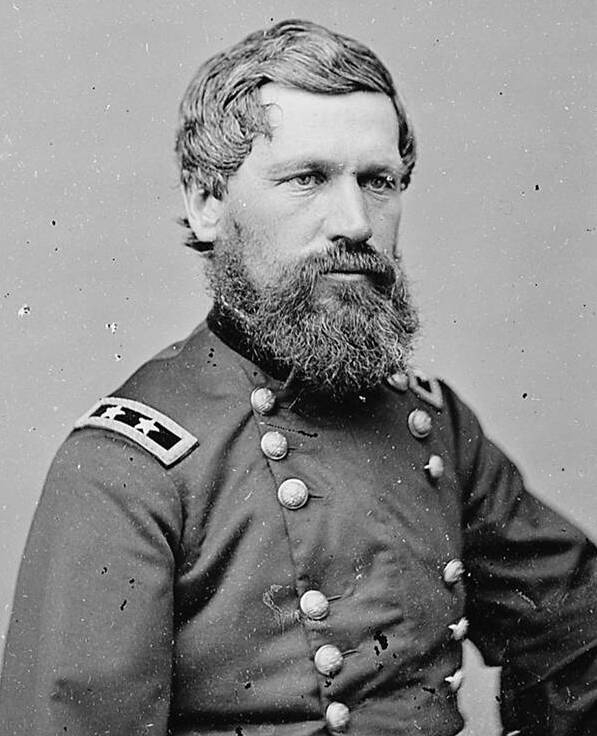
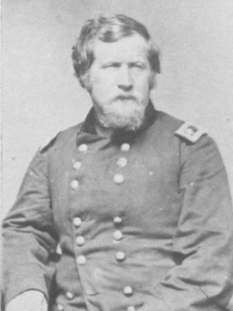
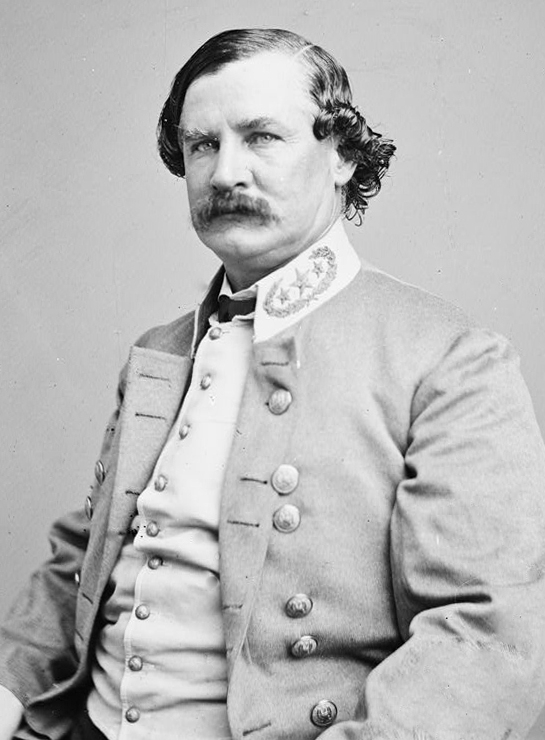
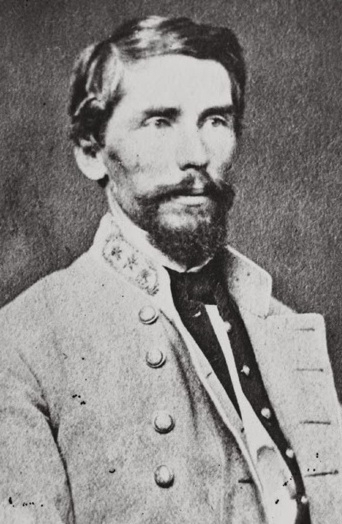
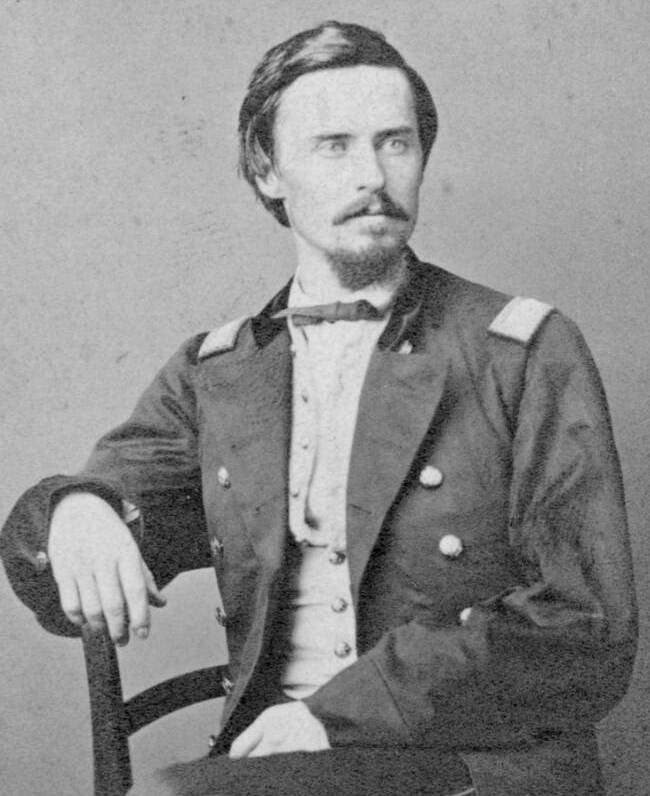
General John Logan’s corps had some initial success, which was soon thwarted by dense undergrowth, Confederate musket fire, and effective rebel artillery. In the center, Thomas sent General Oliver Howard’s and General John Palmer’s corps against General Benjamin Cheatham’s and General Patrick Cleburne’s excellent divisions, which had fortified their portion of the line so well that they effectively stopped the seemingly overwhelming number of Union soldiers about 50 yards away from the Confederate trenches. The salient in the line where the two rebel divisions met became known as the “Dead Angle.” Not even Colonel Daniel McCook of the “Fighting McCook’s” could carry the day, as he was mortally wounded – shot in the chest while atop a Confederate parapet. By 10:00 a.m., rugged terrain, Confederate fire, and severe Union casualties had resulted in a Union repulse. By noontime, the attack was recognized as a failure.
Casualty figures vary widely. Shelby Foote gives the numbers at about 2,600 Union and about 500 Confederate. Sherman reported his casualties at the time at about 2,000, but later increased it to about 3,000. The American Battlefield Trust lists 3,000 Federal and 1,000 Confederate casualties. However, whatever the numbers truly were, the result was a decisive Confederate tactical win. Brian Holden Reid, in his book The Scourge of War: The Life of William Tecumseh Sherman, states that despite the tactical defeat, “One of Sherman’s most admirable qualities was his resilience, and ability to return refreshed from setbacks and prepared to forge ahead and exploit any opportunities that awaited him. Each of his armies became infused with his energy, and depression was brushed aside.”
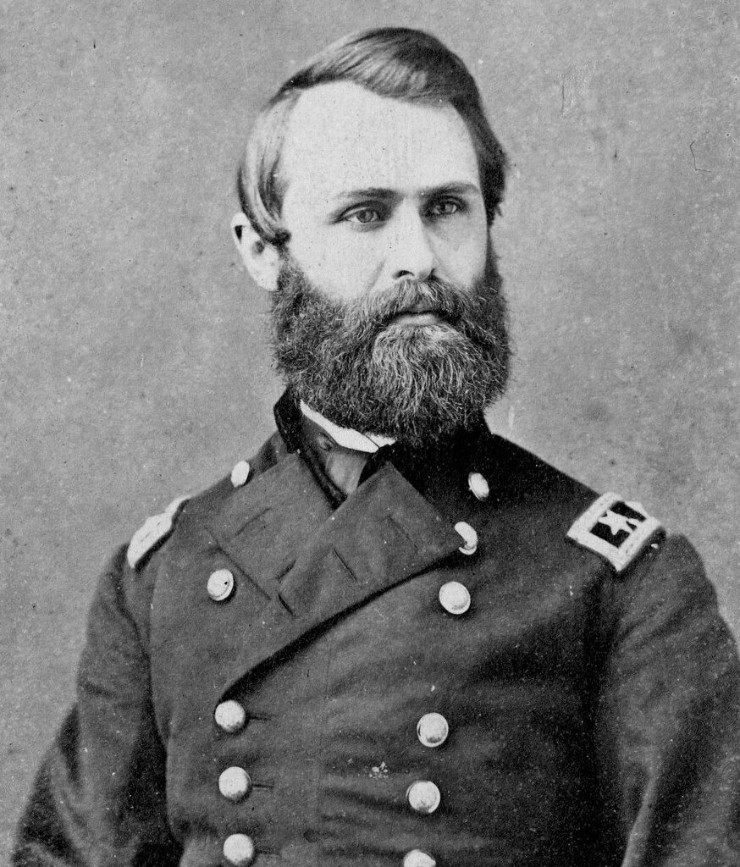
For several more days, the two armies tested one another, giving and taking various thrusts and parries, but nothing emerged as consequential. By July 2, having not won the decisive battle he desired and facing what had now been proven to be a nearly impregnable defensive line, Sherman decided once again that a flanking movement was the best option. Accordingly, he followed up on a successful maneuver by General Jacob Cox’s Union division of Schofield’s army around the Confederate left. Sherman boldly pulled McPherson’s army from the opposite end of the line and sent that army around the rebel left flank. This forced Johnston to once again fall back. The rebels stopped first at Smyrna Station on July 3 and then to a line of prepared forts along the Chattahoochee River on July 5.
Part 4 picks up here with the armies of North and South facing each other just about a half a dozen miles away from Atlanta.
Click on the book links on this page to purchase from Amazon. Part of the proceeds from any book purchased from Amazon through the CCWRT website is returned to the CCWRT to support its education and preservation programs.
Related links:
Sherman’s Atlanta Campaign, Part 1
Sherman’s Atlanta Campaign, Part 2
Sherman’s Atlanta Campaign, Part 4